


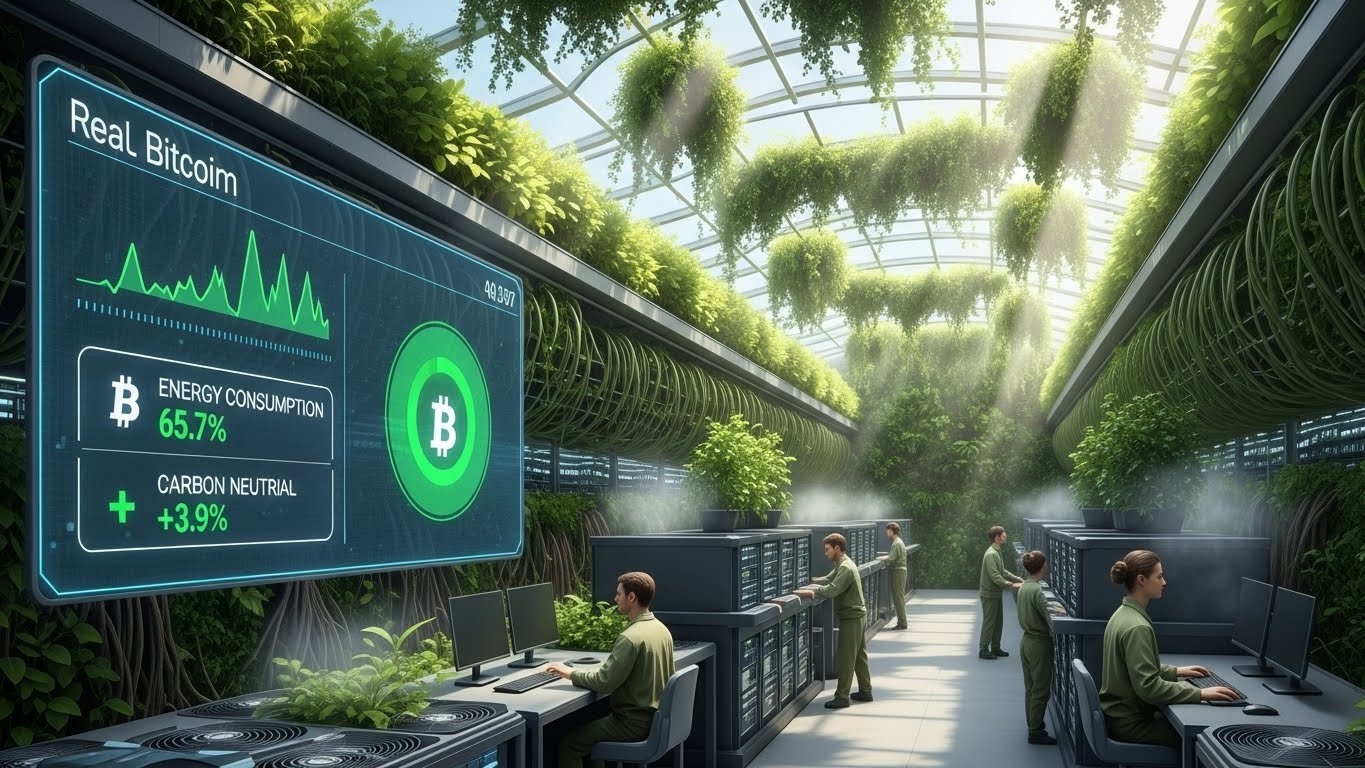
Bitcoin mining has become one of the most debated technologies of the last decade. For some people, it is a symbol of financial innovation and digital freedom. For others, it represents an unnecessary burden on the climate. Both views are rooted in something real, because Bitcoin mining does require a lot of electricity. But what often gets missed in the debate is that the energy story around mining is changing fast.
Today, green Bitcoin mining is no longer a niche concept. A growing share of miners are using renewable power, shifting operations to cleaner regions, and partnering with energy producers. This has fueled a powerful claim that increasingly appears across reports and research: Bitcoin mining is now powered by over 50% renewable energy in many estimates and industry surveys. Whether or not every estimate matches perfectly, the trend is clear. The mix of electricity behind mining is moving toward renewables, and the pace of that change matters.
Why does this matter for climate action? Because renewable energy systems come with challenges like curtailment, grid balancing, and demand timing. Bitcoin mining is unusual among energy-intensive industries because it can be flexible. It can switch off quickly, move to new locations, and operate in places where other industries cannot. That means mining can sometimes support clean energy expansion instead of blocking it.
This article explains how green Bitcoin mining works, why renewable energy is becoming central to mining economics, and how this shift could contribute to climate action. It will also cover what counts as “green,” what doesn’t, and how miners can prove their clean energy claims in a way that builds trust.
Understanding green Bitcoin mining in simple terms
Before exploring how mining can support climate action, it helps to understand what green Bitcoin mining actually means. Bitcoin mining is the process of securing the Bitcoin network by solving cryptographic puzzles. Miners compete to add new blocks to the blockchain, and the winner receives a reward. This competition requires specialized machines that run continuously and consume electricity.
When people talk about green Bitcoin mining, they are usually referring to mining operations that are powered mainly by renewable energy sources, such as hydroelectricity, wind, solar, geothermal, and sometimes other low-carbon sources. The “green” label may also include miners that reduce emissions through efficiency or by reducing waste energy.
However, not all “green” claims are equal. Some miners are truly powered by renewable energy delivered directly to their facility. Others buy renewable energy certificates or offsets, which may or may not reflect real-time clean electricity use. The best form of renewable Bitcoin mining is the kind that physically runs on clean energy, ideally in a way that adds value to the grid and local energy system.
The growing share of renewable power in mining is not only a moral decision. It’s also an economic one, because in many markets the cheapest electricity increasingly comes from renewables.
Why Bitcoin mining is moving toward renewable energy
A major reason green Bitcoin mining is growing is simply that mining is a competitive industry. The cost of electricity often determines whether a mining business survives. Miners have to constantly optimize their operations, because their revenue depends on global competition and the Bitcoin price. If energy costs are too high, they can’t compete.
Renewable energy often provides the lowest-cost electricity in the market, especially when wind and solar production is high. Hydropower can also be very inexpensive in regions where it is abundant. That means miners who want cheap power are naturally attracted to renewables.

This is where the climate story becomes interesting. Instead of miners chasing dirty energy, a large portion of miners are chasing cheaper energy, and cheaper energy increasingly means clean energy.
At the same time, many governments and communities are now paying closer attention to mining. In regions where electricity comes mainly from coal, miners may face restrictions, higher taxes, or public pressure. In cleaner regions, miners may be welcomed if they create jobs and support local power infrastructure. Over time, this creates an additional incentive for miners to locate in areas with cleaner grids.
How miners take advantage of renewable energy curtailment
One of the most important links between green Bitcoin mining and climate action is the concept of renewable curtailment. Curtailment happens when renewable energy producers generate more electricity than the grid can use or transmit. When that occurs, operators must reduce output, meaning clean electricity is wasted.
Curtailment is becoming more common as renewable energy expands. Wind and solar farms can sometimes produce huge amounts of electricity during certain hours, but demand may not match that supply. If storage is not available and transmission is limited, renewable power is essentially thrown away.
Bitcoin mining can play a role here because it can use electricity exactly when it is cheap and abundant. Mining operations can be placed close to renewable plants and consume surplus generation that would otherwise be curtailed. This makes renewable projects more profitable and can strengthen the case for building more clean energy infrastructure.
In this scenario, green Bitcoin mining becomes a kind of “buyer of last resort” for excess renewable energy. That can support climate action by improving the economics of renewables and reducing wasted clean electricity.
Flexibility advantage: why mining can help the grid
Most energy-intensive industries require stable, constant electricity use. Factories, refineries, and data centers typically cannot shut down quickly without major consequences. Bitcoin mining is different. A mining facility can scale operations up or down within minutes.
This makes mining a potential tool for grid balancing. If the grid is stressed during a heatwave, miners can switch off and reduce demand. When renewable production rises overnight or during high-wind hours, miners can switch back on and use that surplus electricity.
This ability to respond quickly is why many experts describe mining as a flexible load. Flexible loads are increasingly valuable as grids become more dependent on intermittent renewable generation. Wind and solar are clean, but they are variable. They don’t always generate power exactly when people need it. That’s why demand flexibility is becoming more important in the modern energy system.
When miners operate responsibly, green Bitcoin mining can support the grid rather than strain it. This is one of the strongest connections between renewable mining and climate action, because it helps power systems integrate more renewables without sacrificing reliability.
Hydropower and the rise of renewable mining hubs
Hydropower has played a central role in renewable Bitcoin mining for years. In many regions, hydropower produces large volumes of electricity at very low costs. Some hydropower plants also generate excess power during certain seasons, especially in wet months when water flow is high.
Mining operations often move to these regions because they can secure stable, low-cost electricity. This is part of why some renewable estimates for Bitcoin mining have increased over time. When miners relocate toward hydro-rich regions, the overall energy mix becomes cleaner.
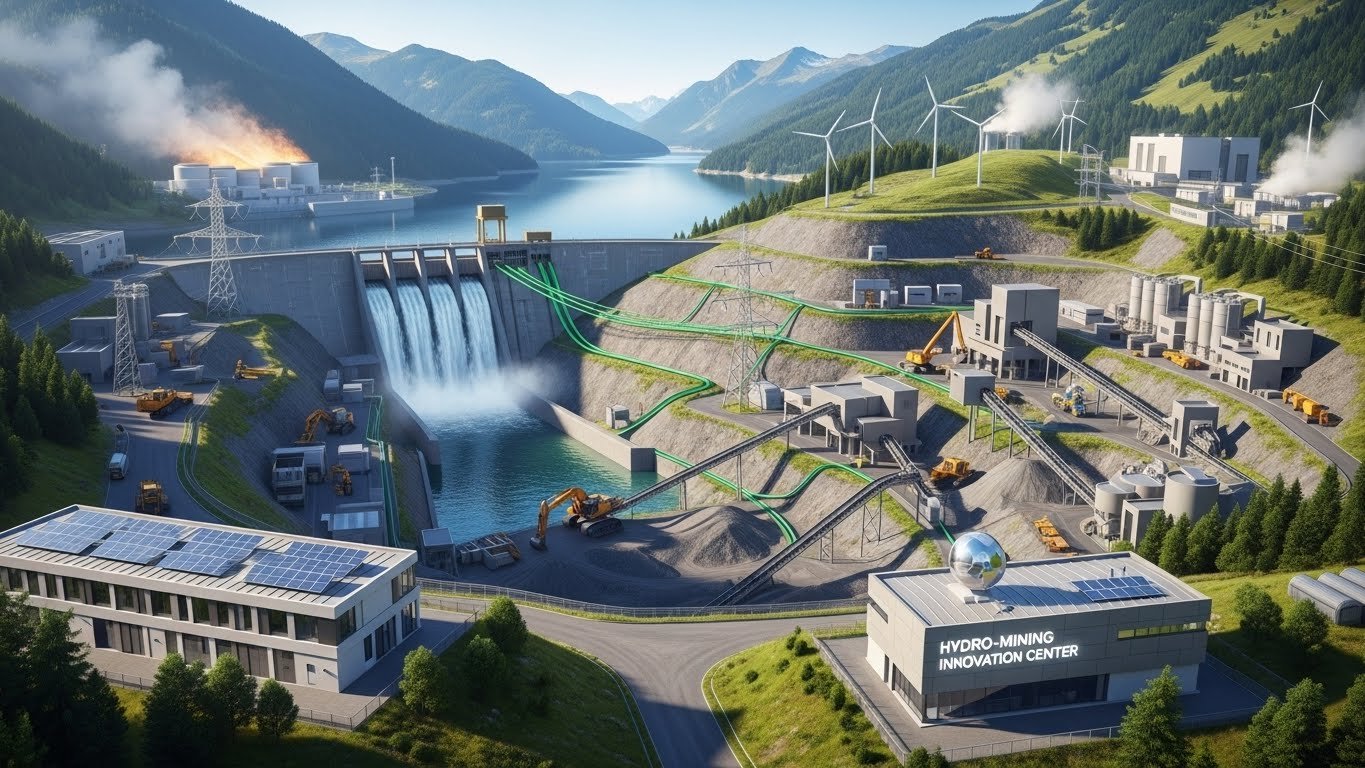
However, hydropower has seasonal dynamics. In dry seasons, hydropower output can fall. If miners then switch to fossil-heavy grid electricity, the renewable share may decline. That’s why real transparency is essential. For green Bitcoin mining to be credible, it must account for seasonal changes and not rely only on favorable months.
When mining remains tied to renewable sources year-round, hydropower can be a strong foundation for low-carbon mining.
Wind and solar mining: the fastest-growing trend
Wind and solar are rapidly expanding worldwide. In many markets, new renewable energy projects are now the cheapest way to produce electricity. As this expansion continues, more miners are signing agreements with wind and solar farms or building operations directly near them.
Wind and solar also create some of the strongest opportunities for climate-aligned mining because of their curtailment patterns. Solar often produces excess electricity midday when demand may not peak. Wind often produces large surpluses at night. Mining can absorb these surpluses.
This is why green Bitcoin mining is often framed as an energy innovation rather than just a crypto story. Mining is becoming a way to monetize renewable electricity during low-demand periods. That can lead to more renewable investment, which supports broader climate goals.
Can green Bitcoin mining reduce emissions directly?
The biggest climate benefit of green Bitcoin mining comes from using renewable power instead of fossil fuel power. If a miner replaces coal-based electricity with wind or solar, emissions drop. That’s the most direct climate impact.
But the more complex question is whether mining can reduce emissions beyond its own footprint. Some argue that mining can indirectly accelerate clean energy adoption by improving the profitability of renewable plants. If mining revenue helps fund new renewable projects, then mining contributes to a cleaner energy system overall.
However, this benefit depends on how mining is structured. If miners simply buy renewable energy that would have been used anyway, the net benefit may be limited. The strongest climate argument is when mining supports additional renewable buildout, reduces curtailment, or provides grid services that enable more renewables to connect.
That’s where green Bitcoin mining shifts from being “less harmful” to being “actively helpful.”
Methane mitigation: the controversial but powerful climate use case
Another climate-related mining model involves methane. Methane is a powerful greenhouse gas, and it is often released from oil and gas operations when infrastructure is lacking. Sometimes methane is flared, but sometimes it is vented directly into the atmosphere, which is worse for the climate.
Some mining projects use captured methane to generate electricity on-site, powering Bitcoin miners. If the methane would otherwise be vented, using it for power can reduce the overall climate impact because burning methane converts it into carbon dioxide, which has a lower near-term warming effect than methane.
This is not the same as renewable mining, but it can be climate-positive compared to uncontrolled methane release. Still, methane-based mining must be verified carefully. Without transparency, it risks becoming a marketing claim rather than real climate action.
When done correctly, methane mitigation can be a meaningful part of the broader green Bitcoin mining landscape, especially as regulators and investors demand proof.
Efficiency improvements are making mining greener too
Mining hardware has become significantly more efficient over time. Modern machines can produce more computing power using less electricity per unit of output. This doesn’t automatically reduce total network energy use, because mining competition adjusts, but it does reduce the energy intensity of specific operations.
Efficiency also matters because it allows miners to do more with renewable energy resources. A facility powered by solar and battery storage, for example, benefits greatly from efficient machines. The more efficient the equipment, the more competitive renewable mining becomes.
In this way, technology and clean energy work together. The rise of efficient hardware supports the growth of renewable Bitcoin mining, and renewable adoption makes mining more resilient in a world where climate concerns are increasing.
How to tell if a green mining claim is real
As green Bitcoin mining becomes more popular, more companies will claim to be “clean.” Some will be truthful and transparent. Others may exaggerate. This is why credibility matters.
A reliable miner should disclose where their facilities are, what grid they operate on, and what contracts they use for electricity. They should explain how they calculate their renewable share and whether their figures are based on real-time consumption or annual averages.
Third-party audits and public reporting also increase trust. If a company claims “over 50% renewable” without explaining the method, the claim is hard to verify. Clear reporting is essential for mining to be taken seriously as part of climate action.
In the long term, transparency will likely become a competitive advantage, separating true green Bitcoin mining leaders from those using sustainability as a slogan.
Will green Bitcoin mining keep growing?
The direction of the industry suggests that renewable mining will continue expanding. Renewable electricity is growing globally, and in many regions it is becoming the cheapest source of power. Mining will follow low-cost energy. That means more miners will continue shifting toward clean energy, even if their motivation is profitability.
At the same time, regulation is becoming stricter. Many governments are likely to demand emissions reporting and grid participation. Public scrutiny will also increase, forcing miners to prove their impact rather than simply claim it.
If the mining industry embraces transparency and builds deeper partnerships with renewable projects and grid operators, it could become a surprising contributor to climate goals. If it doesn’t, it could remain a target of criticism and restriction.
In either case, green Bitcoin mining is no longer a theory. It is already shaping the energy conversation and forcing new questions about how flexible industries can support renewable integration.
Conclusion
Bitcoin mining will always use energy, because that energy is the foundation of its security system. But the question is not whether mining uses electricity. The question is what kind of electricity it uses, and how it interacts with the wider energy ecosystem.
The shift toward green Bitcoin mining and over 50% renewable energy shows that mining is moving toward cleaner sources, driven largely by economics and grid realities. Renewable-rich regions, curtailment opportunities, and flexible operations are pushing miners toward clean power faster than many expected.
When done responsibly, renewable mining can help reduce curtailment, support grid stability, and encourage additional renewable investment. It can also support methane mitigation in specific situations. These pathways show that mining does not have to be a climate enemy. It can become a climate lever, but only if it is transparent, accountable, and aligned with clean energy expansion.
The future of green Bitcoin mining will depend on proof, partnerships, and smart regulation. If those pieces come together, mining could play a meaningful role in accelerating climate action.
FAQs
Q: Is green Bitcoin mining really over 50% renewable?
Many industry surveys and estimates suggest Bitcoin mining has crossed or approached over 50% renewable energy. Results differ by methodology, but the long-term trend is toward more clean electricity in mining.
Q: Does renewable mining make Bitcoin environmentally friendly?
It can make Bitcoin mining significantly cleaner, but the overall sustainability depends on location, grid conditions, and whether mining supports new renewables rather than consuming existing clean supply.
Q: How does mining help renewable energy projects?
Mining can act as a flexible buyer that uses electricity during surplus generation and reduces curtailment. This can improve renewable project revenue and make new clean energy investments easier.
Q: Is methane-powered mining considered green?
It is not renewable, but it can reduce climate impact when it prevents methane venting. Methane mitigation mining is best seen as an emissions reduction strategy, not renewable mining.
Q: What should I look for in a truly green mining company?
Look for transparent reporting, facility locations, verifiable energy sourcing, and third-party audits. Credible green Bitcoin mining companies explain how they measure renewable share and emissions impact.
Also More: Crypto Markets Today Bitcoin Slides Altcoins Drop
