


Global financial system is undergoing a structural transformation driven by digital innovation, regulatory evolution, and changing investor expectations. One of the most significant developments shaping this transformation is blockchain for tokenized securities trading, a model that reimagines how traditional financial assets are issued, traded, and settled. Against this backdrop, the announcement by Startale Group and SBI Holdings marks a major milestone in the convergence of blockchain technology and regulated capital markets.
By unveiling a joint initiative focused on building blockchain infrastructure for tokenized securities, Startale and SBI Holdings are signaling a shift away from experimental pilots toward real-world financial applications. Tokenized securities represent ownership or economic rights to real-world assets such as stocks, bonds, or funds, recorded and transferred using blockchain technology. Unlike speculative crypto assets, these instruments are designed to operate within legal and regulatory frameworks while benefiting from the efficiency and transparency of distributed ledgers.
This announcement is particularly timely as institutional investors increasingly explore tokenization to unlock liquidity, enable fractional ownership, and streamline settlement processes. With strong roots in both traditional finance and blockchain development, Startale and SBI Holdings aim to position blockchain for tokenized securities trading as a scalable and compliant foundation for the future of digital capital markets.
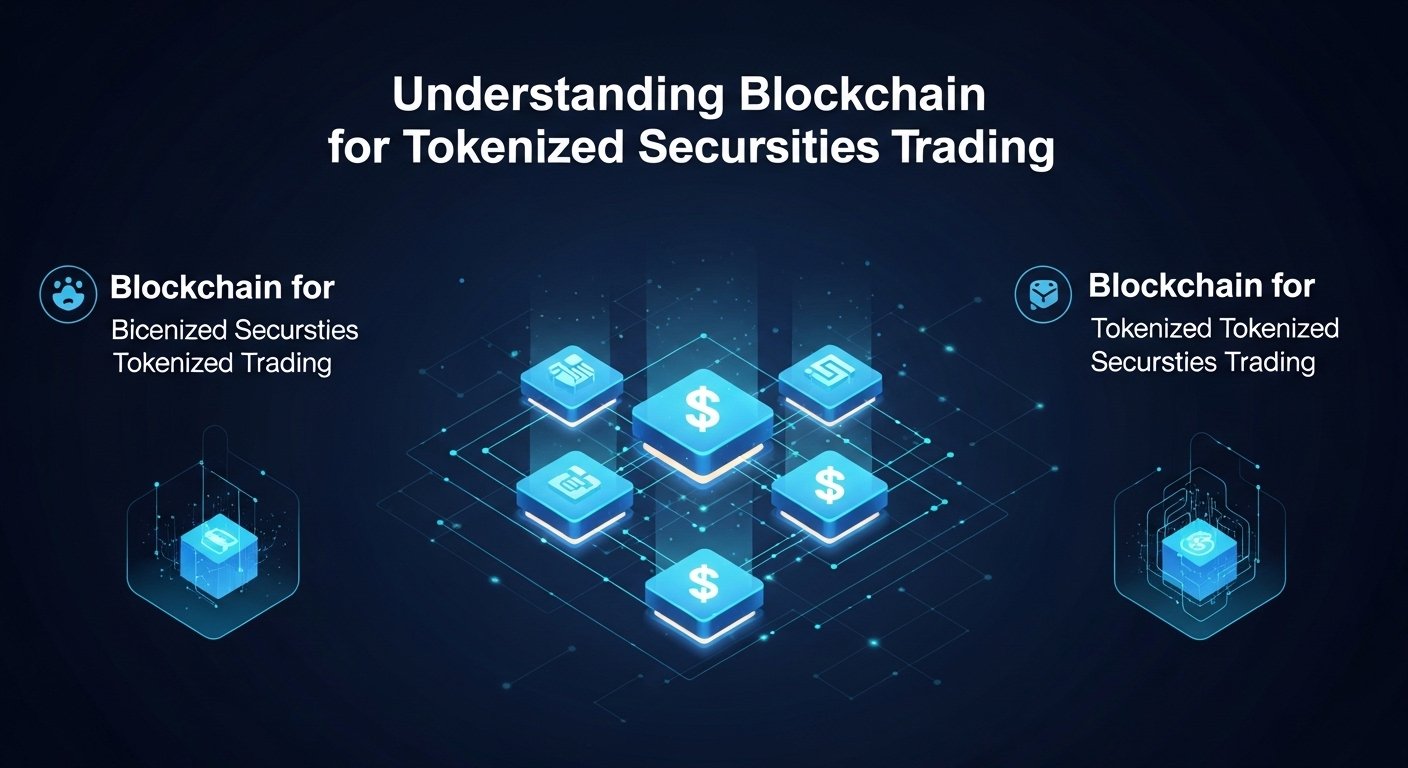
Understanding Blockchain for Tokenized Securities Trading
At its core, blockchain for tokenized securities trading refers to the use of distributed ledger technology to represent, trade, and settle regulated financial instruments. Each token corresponds to a legally recognized security or economic claim, and transactions are recorded on an immutable blockchain rather than through fragmented legacy systems.
Unlike conventional securities infrastructure, which relies on multiple intermediaries and delayed settlement cycles, tokenized securities platforms can integrate issuance, trading, compliance, and settlement into a unified digital workflow. This approach does not eliminate regulation; instead, it embeds regulatory logic directly into the technology, ensuring that rules around ownership, transfer, and disclosure are enforced automatically.
For institutions, this model offers a compelling balance between innovation and control. Blockchain enables programmable assets, real-time transparency, and global accessibility, while legal frameworks ensure investor protection and market integrity.
Why Tokenized Securities Are Gaining Momentum
The rapid growth of tokenized securities is driven by structural inefficiencies in traditional markets and increasing demand for digital-native financial products. As capital markets globalize and digitize, blockchain for tokenized securities trading is emerging as a practical solution rather than a theoretical concept.
Faster Settlement and Operational Efficiency
One of the strongest advantages of tokenized securities is faster settlement. Traditional equity markets often operate on delayed settlement cycles, which increase counterparty risk and tie up capital. Blockchain-based settlement allows ownership transfer and finality to occur almost instantly, reducing reconciliation costs and improving balance sheet efficiency. By leveraging blockchain for tokenized securities trading, institutions can minimize manual processes and reduce dependency on multiple clearing layers, resulting in a more streamlined post-trade environment.
24/7 Trading and Market Accessibility
Conventional stock markets are bound by trading hours and regional constraints. Tokenized securities, however, can be traded continuously on digital platforms, allowing investors to access markets beyond standard hours. This model aligns with the always-on nature of digital assets while maintaining compliance with securities regulations.
Continuous access does not necessarily replace traditional exchanges but complements them, offering enhanced liquidity discovery and global participation through blockchain for tokenized securities trading platforms.
Fractional Ownership and New Investment Models
Tokenization enables fractional ownership, allowing investors to purchase smaller portions of high-value assets. This lowers entry barriers and expands access to a broader investor base. Fractionalized securities can also be combined into programmable portfolios, enabling innovative financial products that were difficult to implement using legacy systems.
The Strategic Importance of the Startale–SBI Collaboration
The collaboration between Startale and SBI Holdings brings together deep expertise in blockchain infrastructure and institutional finance. Rather than focusing on speculative use cases, the initiative targets real-world deployment of blockchain for tokenized securities trading at scale.
Institutional-Grade Infrastructure
A key focus of the platform is institutional readiness. This includes robust governance frameworks, enterprise-level security, and compliance-first architecture. By designing the system with regulated financial institutions in mind, the partnership aims to overcome one of the biggest barriers to adoption: trust. Institutional-grade blockchain infrastructure ensures that tokenized securities are not just technologically advanced but also operationally viable for banks, asset managers, and broker-dealers.
Bridging Traditional Finance and Web3
The initiative represents a bridge between traditional finance and decentralized technologies. Rather than replacing existing systems overnight, blockchain for tokenized securities trading acts as an interoperability layer that allows legacy institutions to gradually adopt digital asset workflows without compromising regulatory obligations. This hybrid approach increases the likelihood of long-term adoption by aligning innovation with existing financial market structures.
How a Tokenized Securities Trading Platform Works
To appreciate the impact of blockchain for tokenized securities trading, it is important to understand the underlying components that support such a platform.
Issuance and Legal Structuring
Every tokenized security begins with a legal structure that defines the rights and obligations associated with the asset. Tokens may represent direct ownership, beneficial ownership, or economic exposure, depending on regulatory considerations. Clear documentation ensures enforceability and investor protection.
Compliance and Identity Controls
Tokenized securities platforms incorporate identity verification, anti-money laundering checks, and transfer restrictions. These controls ensure that only eligible participants can hold or trade specific assets, embedding compliance directly into the transaction process.
Custody and Asset Safekeeping
Secure custody is essential for institutional participation. Tokenized securities platforms typically support regulated custodians, multi-signature wallets, and advanced key management systems to protect assets and meet risk management standards.
Trading and Settlement Mechanisms
Trading can occur through on-chain order books, hybrid models, or integrated marketplaces. Settlement is handled through programmable smart contracts that ensure delivery-versus-payment, reducing settlement risk and increasing transparency.
Benefits and Challenges of Blockchain-Based Securities Trading
While blockchain for tokenized securities trading offers significant advantages, it also introduces new considerations that market participants must address.
Key Benefits
The primary benefits include increased transparency, faster settlement, reduced operational costs, and expanded market access. Programmable compliance and automated reporting also improve regulatory oversight and auditability.
Potential Risks and Limitations
Risks include smart contract vulnerabilities, cybersecurity threats, governance challenges, and regulatory uncertainty across jurisdictions. Liquidity fragmentation and price discovery issues may also arise if tokenized assets trade independently from traditional markets.
Successful platforms mitigate these risks through rigorous audits, conservative rollout strategies, and close collaboration with regulators.
Regulatory Landscape and Compliance Considerations
Regulation plays a central role in shaping blockchain for tokenized securities trading. Tokenized securities must comply with existing financial laws, including licensing requirements, disclosure standards, and investor protection rules.
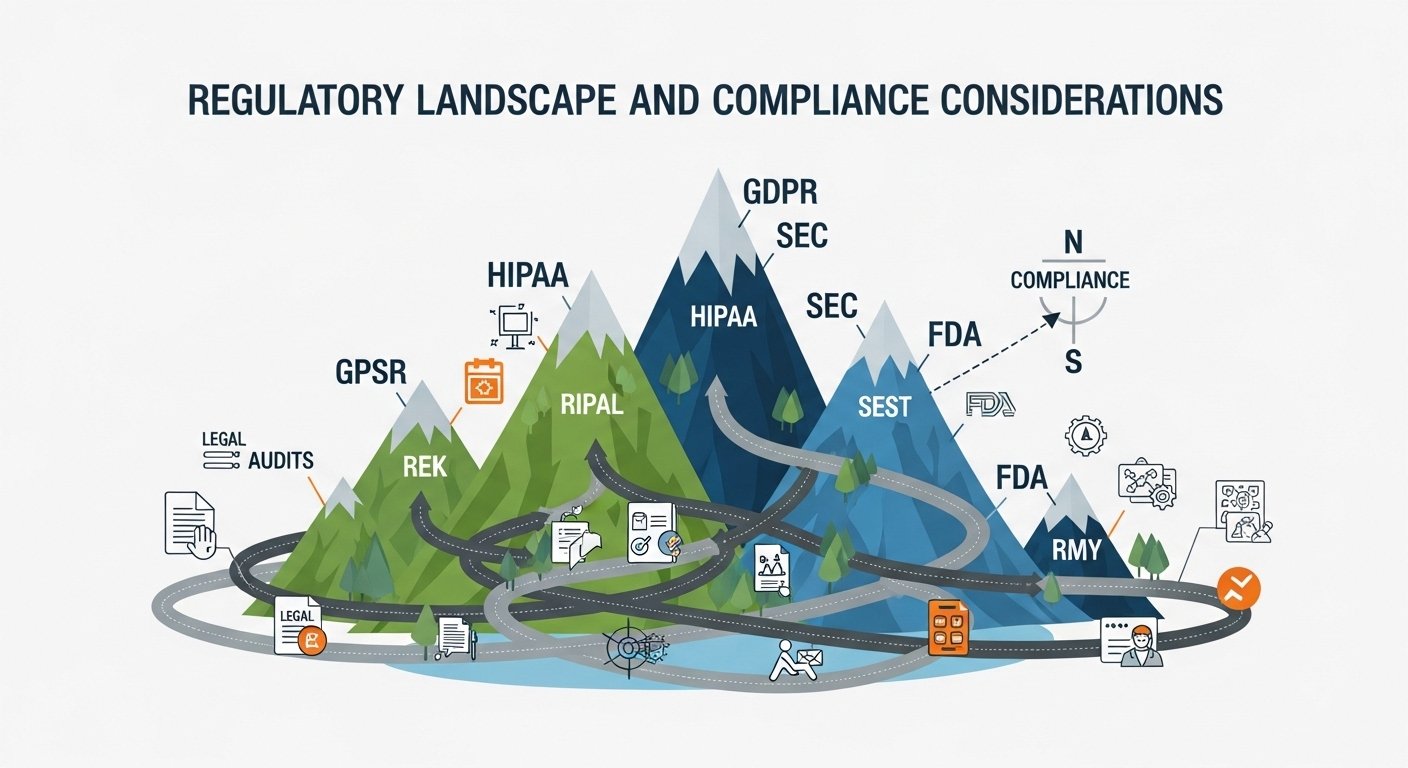
Jurisdictional differences add complexity, particularly for cross-border trading. Platforms must implement flexible compliance frameworks that adapt to varying regulatory environments while maintaining consistent operational standards.
The Future of Tokenized Securities and Capital Markets
The Startale–SBI initiative reflects a broader trend toward digitized market infrastructure. As tokenization matures, blockchain-based securities trading could become a standard component of global financial systems.
Long-Term Market Impact
Over time, tokenized securities may reduce reliance on legacy post-trade systems, enabling more efficient capital allocation and faster innovation. Institutions that adopt blockchain for tokenized securities trading early may gain strategic advantages in cost efficiency and product development.
Expansion Beyond Equities
While tokenized stocks are a focal point, the same infrastructure can support bonds, funds, commodities, and other real-world assets. This expansion positions tokenization as a foundational layer for next-generation financial markets.
Conclusion
The announcement by Startale and SBI Holdings represents a significant step forward for blockchain for tokenized securities trading. By focusing on institutional-grade infrastructure, regulatory alignment, and real-world applicability, the partnership moves tokenization from concept to implementation.
As financial markets continue to evolve, blockchain-based securities trading offers a path toward greater efficiency, transparency, and accessibility. While challenges remain, initiatives like this demonstrate that tokenization is no longer a distant vision—it is an emerging reality shaping the future of global finance.
FAQs
Q: What are tokenized securities?
Tokenized securities are digital representations of traditional financial assets, such as stocks or bonds, recorded on a blockchain while remaining subject to securities regulations.
Q: How does blockchain improve securities trading?
Blockchain enables faster settlement, improved transparency, programmable compliance, and reduced operational costs through automated processes.
Q: Are tokenized securities regulated?
Yes, tokenized securities are designed to comply with existing financial regulations, including investor protection, disclosure, and licensing requirements.
Q: Can tokenized securities be traded 24/7?
Depending on regulatory structure, tokenized securities platforms can offer continuous trading access beyond traditional market hours.
Q: What role do institutions play in tokenized securities adoption?
Institutional participation is critical for liquidity, credibility, and scalability, making enterprise-grade blockchain infrastructure essential for widespread adoption.
Also Read: Jupiter Assists Polymarket Launch on Solana Blockchain
