


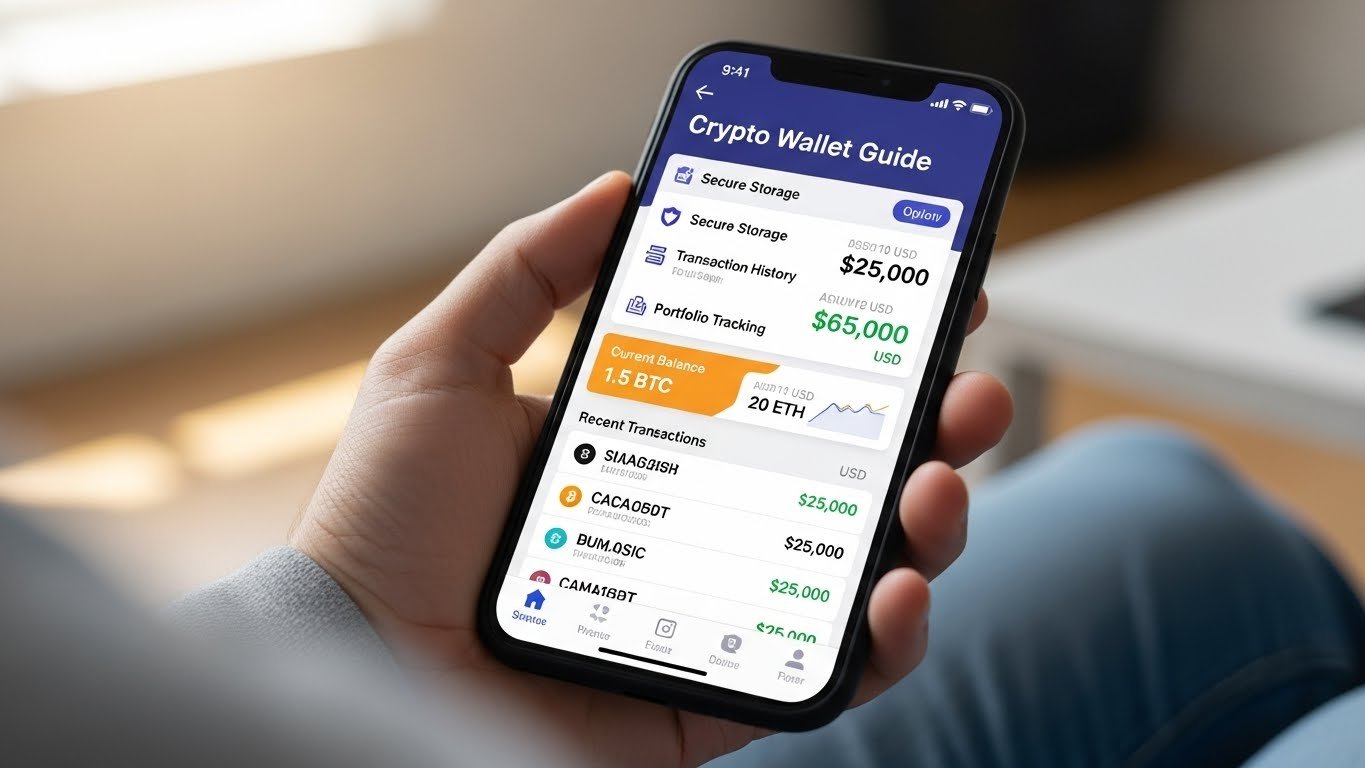
The world of digital money is expanding faster than ever, and with it comes the increasing need for safe and reliable ways to store digital assets. As more people begin investing in Bitcoin, Ethereum, and other cryptocurrencies, the demand for clear and trustworthy information also grows. Understanding how crypto wallets work is the first step toward managing digital assets responsibly. This cryptocurrency wallet guide will help beginners and experienced users build confidence when securing their coins. A wallet may seem complicated at first, but with the right explanation, it becomes a simple tool that gives complete control over your digital funds.
Every cryptocurrency wallet serves as a bridge between you and the blockchain, allowing you to send, receive, and store your digital currency. Many people misunderstand what a wallet actually does, believing it holds coins inside like a physical purse. In reality, a wallet stores private keys, which are required to access the coins recorded on the blockchain network. Because losing those keys means losing access to funds forever, knowing how different wallets work and choosing the right one is essential. This guide explains everything in depth so you can manage your crypto safely without confusion.
Table of Contents
ToggleUnderstanding What a Cryptocurrency Wallet Is
A cryptocurrency wallet is simply a digital tool that helps you interact with blockchain networks using two crucial pieces of information: a public key and a private key. The public key works like a digital address that anyone can use to send you cryptocurrency, while the private key acts as a secret password that proves you are the owner of the funds. Without the private key, no transaction can be approved. Because of this, storing private keys securely is the foundation of all crypto protection.
Although many beginners assume their coins are stored inside the wallet, the reality is different. Coins always remain on the blockchain, and the wallet only manages access to them. This design keeps the system decentralized, giving users full control without needing approval from a bank or financial institution. The structure also means that different wallet types offer different levels of security, convenience, and control. Choosing between them depends on your investment style, how often you trade, and how much security you need.
Types of Cryptocurrency Wallets and Their Purpose
The crypto world offers several types of wallets, each built with a specific purpose in mind. Hardware wallets provide the highest level of protection because they keep private keys offline, away from hackers or malware. These physical devices resemble small USB drives and store keys within secure chips. They are ideal for long-term investors who want strong protection for their digital assets. On the other hand, software wallets operate through applications on mobile phones or computers. They are easier to use and more convenient for daily transactions, but their online nature increases exposure to cyber threats.
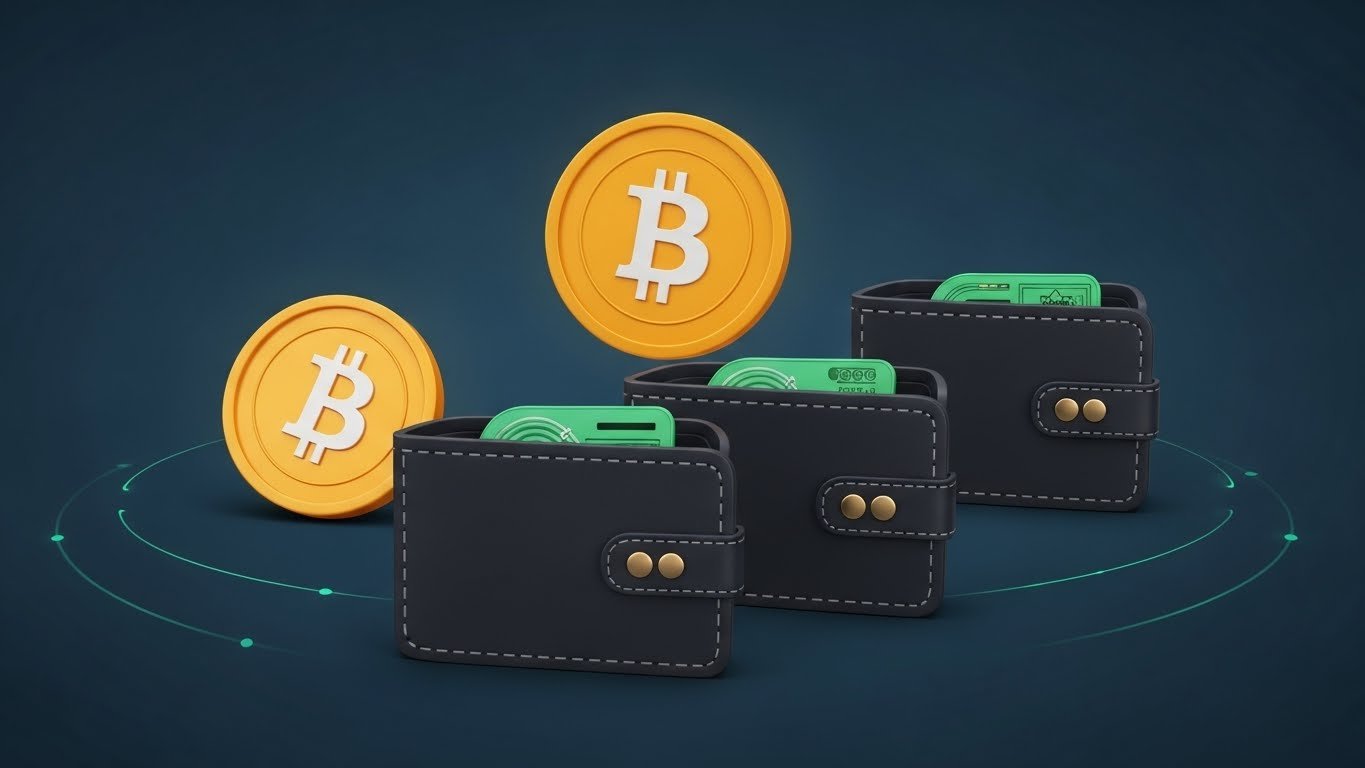
Another major category is web-based wallets provided by exchanges. These wallets are popular for beginners because they are easy to set up and access. However, users do not fully control the private keys, which means ownership depends on the platform’s security measures. Finally, paper wallets exist for those who prefer a completely offline method, using printed keys on a physical sheet. Each option serves different user needs, and understanding these differences helps you select the best wallet for your crypto journey.
How a Cryptocurrency Wallet Works Behind the Scenes
Most people interact with wallets on a surface level, but understanding the internal process builds confidence and helps avoid costly mistakes. A wallet generates a pair of keys using cryptographic algorithms. These keys create a unique identity on the blockchain. When someone sends cryptocurrency to your address, the transaction is recorded on the network, and your wallet helps you view the updated balance. At no point does the wallet move coins physically. Instead, it communicates with blockchain nodes to confirm ownership and validate transfers.
When sending crypto, the wallet uses the private key to sign the transaction digitally. This signature proves authenticity without exposing the key itself. Blockchain miners or validators then verify and add the transaction to the ledger. This entire process happens in seconds or minutes, depending on the network. Behind the simple interface you see on your screen, complex cryptography and decentralized technology work together to ensure security and transparency.
Setting Up a Cryptocurrency Wallet Safely
Choosing a wallet is only the first step. Setting it up correctly is just as important. Upon installation or initialization, the wallet generates a seed phrase, usually consisting of twelve or twenty-four words. This phrase acts as a master recovery key that can restore your wallet on any device. Storing this phrase offline in a safe location is essential because it is the only way to regain access if your device is damaged or lost. No company or developer can recover your wallet without it.
Once the seed phrase is secured, the next step is customizing security settings. Many wallets offer options like biometric locks, PIN codes, two-factor authentication, and encrypted backups. These features protect against unauthorized access, but their effectiveness depends on how carefully they are used. Avoid storing sensitive information online or sharing details with untrusted platforms. Safe storage practices ensure that private keys remain protected and that your funds stay under your control.
Security Practices for Long-Term Crypto Protection
Using a cryptocurrency wallet responsibly means maintaining strong ongoing security habits. Cyber threats constantly evolve, and criminals look for weak spots in user behavior rather than targeting the blockchain itself. Regularly updating wallet software reduces vulnerabilities because developers frequently release patches that strengthen security. Staying cautious with phishing emails, fake websites, or suspicious links also prevents accidental exposure of private keys.

Another powerful method is spreading funds across multiple wallets. Using a hardware wallet for long-term storage while managing small amounts in a mobile wallet balances safety and convenience. Avoiding public Wi-Fi when accessing wallets reduces the risk of interception. The safest approach is always treating private keys and seed phrases with the same seriousness as physical bank vault passwords. This consistent discipline keeps digital assets safe even as technology changes.
Choosing the Right Cryptocurrency Wallet for Your Needs
Selecting the right wallet depends on how you plan to use cryptocurrency. If you trade frequently or rely on mobile convenience, a software wallet might fit your routine better. For investors who prefer storing assets for months or years, hardware wallets provide unmatched peace of mind. Beginners often find exchange wallets easier to navigate, but they eventually shift to personal wallets once they understand the importance of owning private keys.
Evaluating your investment size also helps guide the decision. Smaller portfolios can function well in software wallets, while growing portfolios benefit from offline storage. Wallet interface quality, customer support, and compatibility with different cryptocurrencies also matter. Some wallets support only a few coins, while others offer broad multi-currency access. The goal is to find a secure, easy-to-use solution that aligns with your financial habits and long-term crypto strategy.
Conclusion
Understanding how wallets work is one of the most valuable skills in the crypto world. This cryptocurrency wallet guide provides a foundation that helps you navigate digital assets with confidence and clarity. Wallets give individuals true control over their funds, free from centralized restrictions, but they also demand responsibility. With the right knowledge, the process becomes simple and empowering.
As the crypto industry continues to grow, more people will seek secure and reliable ways to manage their digital wealth. Whether you choose hardware, software, or web-based storage, the key to success lies in learning how wallets function and practicing safe habits. A well-managed wallet not only protects your assets but also supports long-term growth in an ever-evolving digital economy.
FAQs
Q: What is the main purpose of a cryptocurrency wallet?
A cryptocurrency wallet allows users to store, send, and receive digital assets by managing private and public keys. It does not hold actual coins but provides access to the funds recorded on the blockchain. By protecting these keys, the wallet ensures that only the rightful owner can authorize transactions.
Q: Are hardware wallets safer than software wallets?
Hardware wallets are considered safer because they store private keys offline, away from internet-based threats. This makes them highly resistant to hacking and malware attacks. Software wallets still offer strong security but depend heavily on device protection and safe browsing habits.
Q: Can I recover my wallet if I lose my phone or device?
Yes, recovery is possible using the seed phrase provided during wallet setup. This phrase restores your wallet on any new device. Without the seed phrase, no service provider can recover your access, which is why storing it safely is essential.
Q: Do cryptocurrency wallets support all coins?
Not every wallet supports every cryptocurrency. Some are designed for specific coins like Bitcoin or Ethereum, while others are multi-chain wallets that hold a wide range of digital assets. Checking compatibility before choosing a wallet prevents limitations in managing your portfolio.
Q: Is it safe to keep crypto on an exchange wallet?
Exchange wallets offer convenience but come with greater risks because the platform controls the private keys, not the user. While reputable exchanges use advanced security measures, personal wallets provide stronger ownership and protection, especially for long-term storage.
