


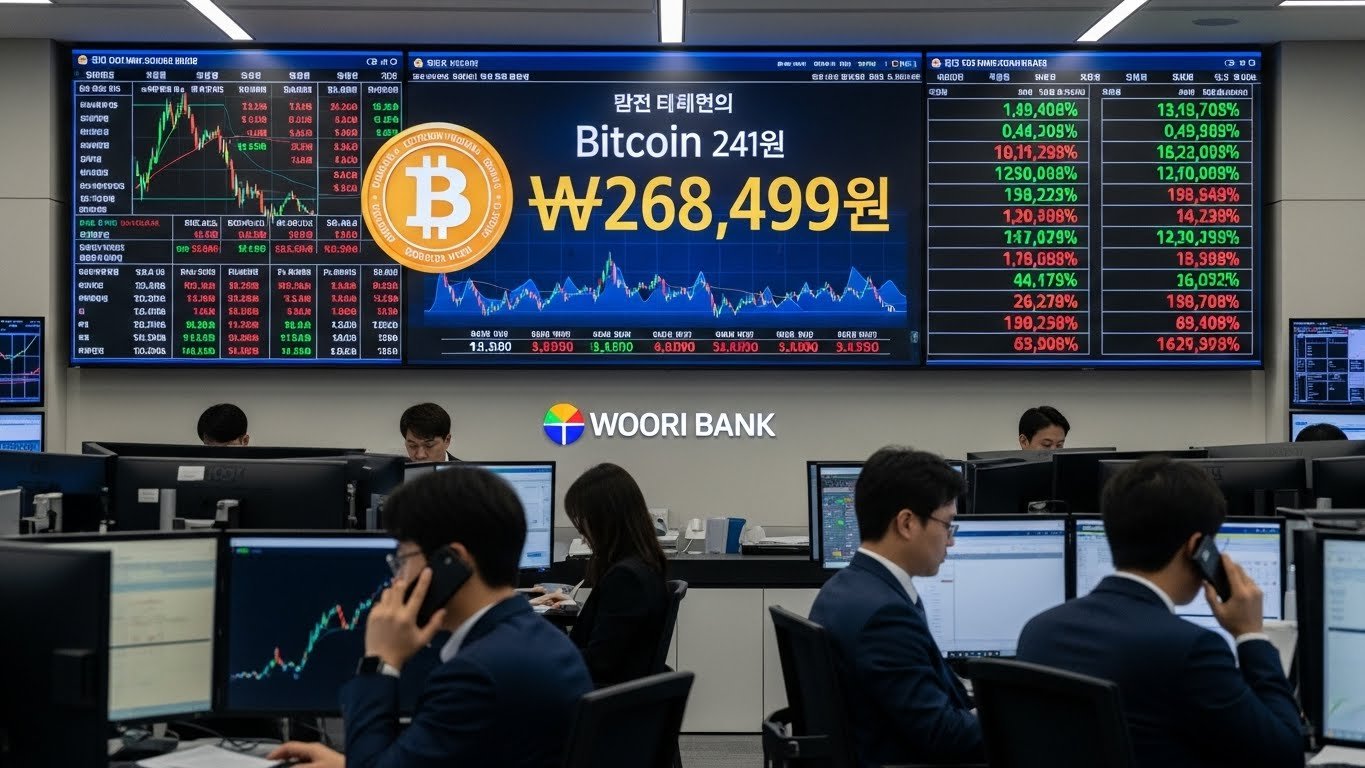
The financial landscape in South Korea is evolving rapidly, and one of the clearest signs of this shift comes from the banking sector. Woori Bank becomes first in Korea to display Bitcoin prices in trading room, marking a transformative moment for digital finance in the region. This move reflects the growing acceptance of cryptocurrencies as legitimate financial instruments and not merely speculative assets. As major institutions begin integrating crypto indicators into their daily operations, the traditional boundaries between banking and blockchain continue to dissolve.
This historic decision did not emerge in isolation. South Korea has long been one of the world’s most active markets for digital assets, with millions of users participating in cryptocurrency trading and blockchain investment. The integration of Bitcoin price indicators into a professional banking environment signals a profound institutional recognition of crypto’s influence on global markets. Woori Bank’s trading room now mirrors a wider trend across international finance, where crypto market movements are becoming just as important as foreign exchange and stock market data. The display of Bitcoin prices inside a major Korean banking institution represents both a symbolic and practical acknowledgment of the currency’s growing relevance.
Table of Contents
ToggleWhy Woori Bank’s Adoption Marks a Historic Milestone
When Woori Bank becomes first in Korea to display Bitcoin prices in trading room settings, it sends a strong message to the broader financial community. This decision reflects confidence in the long-term role of blockchain-based assets and acknowledges investor demand for real-time crypto data. By presenting Bitcoin alongside traditional financial indicators, Woori Bank recognizes that crypto is no longer a separate or fringe sector. Instead, it is a powerful market force that influences global liquidity, capital flows, and investor sentiment.
Another influential factor is the rising number of institutions worldwide that are integrating digital asset data into their operations. From Wall Street firms to European banks, major players increasingly view Bitcoin as part of mainstream finance. Woori Bank’s move aligns Korea with this global trend, bridging the gap between innovation and regulation. It also positions the bank as a forward-thinking institution prepared to adapt to an evolving financial ecosystem.
How Bitcoin Became Essential to Global Financial Monitoring
Bitcoin’s influence on world markets has grown significantly over the past decade. Traders, analysts, and institutional investors observe Bitcoin price movements to gauge risk appetite, capital shifts, and macroeconomic sentiment. As Woori Bank becomes first in Korea to display Bitcoin prices in trading room operations, it highlights the currency’s importance in financial strategy.
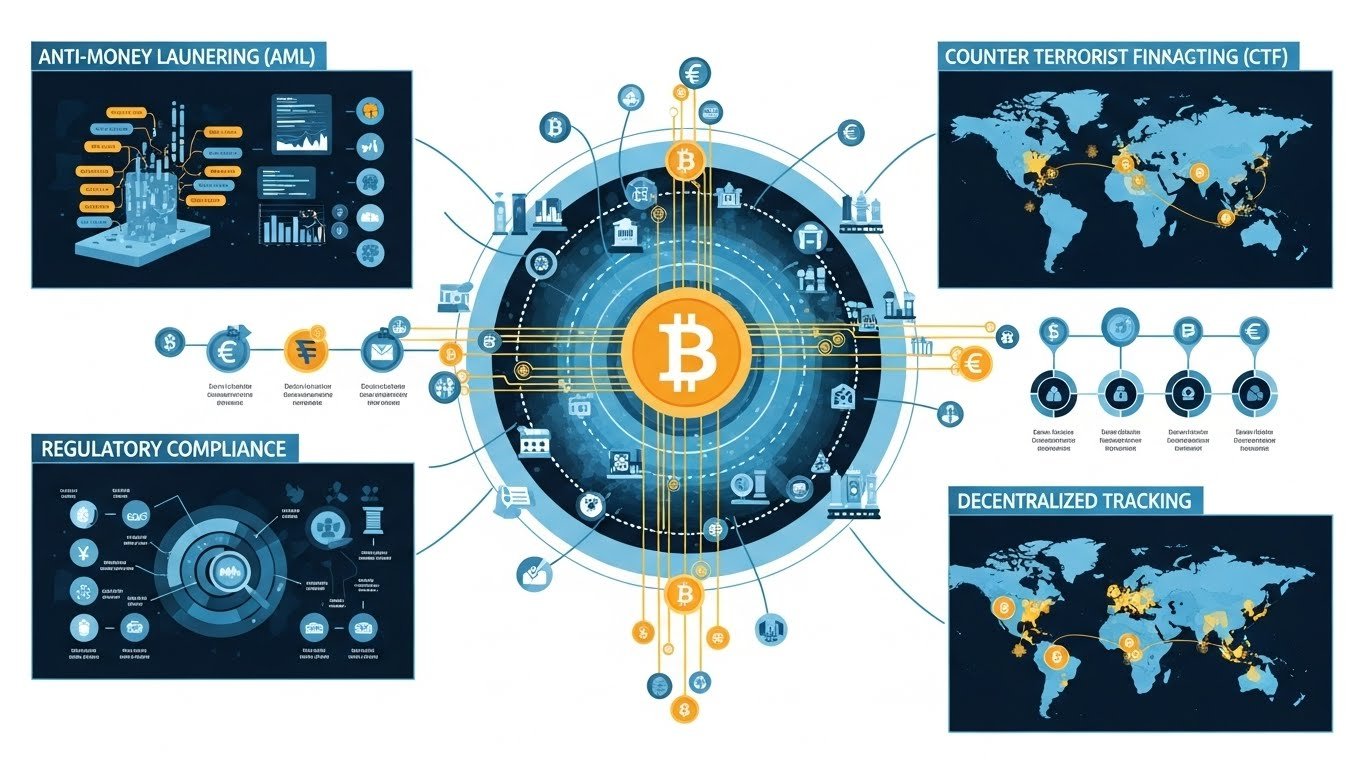
Bitcoin often moves independently from traditional assets, giving analysts insight into broader investor behavior. When sentiment becomes uncertain, investors sometimes turn to digital assets as alternative stores of value. Conversely, strong price surges in crypto can reflect overall optimism in technology-driven markets. By placing Bitcoin prices directly in front of its traders, Woori Bank signals that digital asset metrics hold valuable analytical significance in everyday operations.
Impact on South Korea’s Banking Sector and Market Competition
The decision by Woori Bank inevitably influences competitive dynamics across Korea’s financial industry. Once one major institution integrates cryptocurrency indicators, others are likely to follow to avoid falling behind market expectations. The fact that Woori Bank becomes first in Korea to display Bitcoin prices in trading room environments positions it as a leader in digital innovation.
This shift may also reshape how banks interact with their customers. South Korean investors have consistently demonstrated strong interest in digital assets, and institutional involvement adds credibility to the sector. As banks adopt more crypto-related tools, customers may eventually gain access to new financial products, from digital asset investment platforms to blockchain-based payment solutions. Woori Bank’s pioneering move could accelerate the modernization of Korea’s traditional financial services.
Investor Confidence and Crypto Market Legitimacy
One of the most significant outcomes of this development is its influence on investor confidence. When a respected institution like Woori Bank becomes first in Korea to display Bitcoin prices in trading room settings, it provides reassurance that crypto is being monitored with the same seriousness as stocks, bonds, and foreign currencies. Institutional validation is crucial for long-term market growth because it helps reduce the stigma associated with digital asset volatility and speculation.
This enhanced legitimacy encourages both seasoned and new investors to explore cryptocurrency markets with greater trust. It builds a bridge between conventional finance and emerging blockchain ecosystems. Over time, the presence of Bitcoin data within major financial institutions can normalize digital asset investing and promote regulatory clarity, fostering a healthier and more transparent market environment.
Technological Integration Behind the Bitcoin Display
Displaying real-time Bitcoin prices in a trading room is more than a symbolic gesture; it requires secure, reliable, and efficient technology. Woori Bank likely integrated sophisticated data feeds, charting systems, and monitoring tools to ensure accurate price tracking. These technologies allow traders to view market conditions instantly and incorporate crypto data into broader risk assessments.
The integration represents an important operational shift. Banks traditionally focused on fiat currencies, commodities, and equities, but incorporating Bitcoin requires supporting infrastructure. As Woori Bank becomes first in Korea to display Bitcoin prices in trading room environments, it demonstrates confidence in the technology’s stability and relevance. Successful integration also opens the door to adopting additional blockchain-based tools in the future.
Broader Implications for Crypto Adoption in Korea
South Korea already plays a major role in global crypto trading volumes, and Woori Bank’s decision may further accelerate adoption. The financial sector tends to move cautiously, but once a major institution sets a precedent, others often act quickly to remain competitive. Woori Bank’s choice may inspire Korean regulators, businesses, and financial firms to adapt their own strategies regarding digital assets.

Local investors may feel more encouraged to explore crypto markets when traditional institutions validate the sector. Moreover, increased institutional engagement can lead to improved regulatory frameworks, reducing uncertainty for traders and companies. As more banks integrate crypto data, Korea may strengthen its position as a leading global hub for blockchain innovation.
The Future Outlook for Institutional Crypto Integration
This development suggests a promising future for crypto adoption within mainstream finance. As Woori Bank becomes first in Korea to display Bitcoin prices in trading room environments, it demonstrates that traditional financial systems are evolving to accommodate digital assets. Experts believe that institutional engagement is essential for the long-term stability of cryptocurrency markets.
Future developments may include blockchain-based banking services, crypto-backed loans, integrated digital asset portfolios, and improved cross-border payment systems. As the demand for transparent and accessible financial innovation grows, institutions that embrace cryptocurrency data are likely to remain at the forefront of global market evolution.
Conclusion
Woori Bank’s decision to display Bitcoin prices in its trading room marks a historic moment for South Korea’s financial industry. By becoming the first Korean bank to integrate cryptocurrency indicators into its operational environment, the institution acknowledges the growing importance of digital assets in global financial strategy. This shift signifies not only technological progress but also a deeper institutional acceptance of crypto’s role in modern finance.
As blockchain adoption continues to expand, such decisions strengthen investor confidence and encourage more traditional financial institutions to explore digital innovation. The move reflects a future where cryptocurrency and traditional banking coexist, offering investors a more diverse and advanced financial ecosystem. Woori Bank’s pioneering decision may ultimately inspire broader adoption and shape the future of Korea’s digital economy.
FAQs
Q: Why is Woori Bank displaying Bitcoin prices in its trading room?
Woori Bank is displaying Bitcoin prices to align its operations with growing global interest in digital assets. The integration enhances market awareness, supports trading decisions, and acknowledges crypto’s importance in financial analysis. It also reinforces the bank’s role as an innovator in Korea’s competitive banking sector.
Q: Does this mean Woori Bank will offer crypto trading services?
While displaying Bitcoin prices does not guarantee immediate crypto trading services, it indicates the bank’s willingness to adapt to digital trends. This move may lead to future blockchain-based services or partnerships, depending on regulatory developments and market demand in Korea.
Q: How does this impact investor confidence in Bitcoin?
Institutional adoption often boosts investor confidence because it validates the market’s maturity. When Woori Bank becomes first in Korea to display Bitcoin prices in trading room settings, it signals that Bitcoin is increasingly recognized as a relevant financial asset, encouraging both new and experienced investors.
Q: Will other Korean banks follow Woori Bank’s example?
It is likely that other banks will consider similar integrations to remain competitive. Once one major institution adopts crypto-related tools, industry-wide adoption often accelerates. Increased visibility of Bitcoin data may motivate additional financial institutions to update their systems and services.
Q: What does this mean for the future of crypto in Korea?
This development suggests a promising future for digital assets in Korea. Institutional acknowledgment leads to increased legitimacy, better regulatory clarity, and broader adoption of blockchain technologies. Woori Bank’s move may play a key role in shaping Korea’s evolving financial landscape and its global standing in crypto innovation.
Also More:Crypto News Today Bi tcoin Below $93K, DeFi Slumps
