



Iran’s Bitcoin mining industry has always been built on a fragile foundation. Even in its best years, mining in Iran was never fully stable because it depended heavily on electricity policy, government tolerance, and the constant pressure of sanctions. But as Iran faces a deepening economic and political crisis, the risks around Bitcoin mining are rising fast.
Over the past few years, Iran became one of the more surprising locations for Bitcoin mining. The country’s cheap energy, subsidized electricity, and limited access to international banking created a strong reason for people to mine Bitcoin. For some, it was a business. For others, it was a survival strategy. Bitcoin mining offered a way to earn value outside the weakening national currency.
However, Iran’s growing crisis is now creating new problems for the mining industry. Power shortages are becoming more frequent. Government crackdowns on illegal mining are increasing. Political unrest is pushing authorities to tighten control over digital infrastructure, and internet shutdown risks are making mining operations even more uncertain. On top of that, sanctions make it harder to import or repair mining equipment, while currency devaluation makes operations more expensive.
So the real question is no longer whether Iran can mine Bitcoin. The question is whether Iran’s mining industry can remain profitable and stable under these pressures. And the answer is complicated: Iran’s Bitcoin mining industry may survive, but it is increasingly at risk of shrinking, moving underground, and facing sudden disruptions.
Table of Contents
ToggleWhy Iran Became a Bitcoin Mining Hub
Iran’s economy has been under international sanctions for years, and these restrictions limit access to global financial networks. This is one of the biggest reasons the country found Bitcoin mining attractive. Bitcoin offers borderless value transfer and a financial system that doesn’t rely on traditional banking. In Iran’s situation, this makes Bitcoin mining more than just a tech trend. It becomes a strategic tool.
Another reason Iran became a mining hub is energy. Iran has significant energy resources, and for a long time electricity prices were kept artificially low through subsidies. For miners, this is a major advantage because electricity is the biggest cost in Bitcoin mining. When power is cheap, miners can operate more profitably even with older machines.
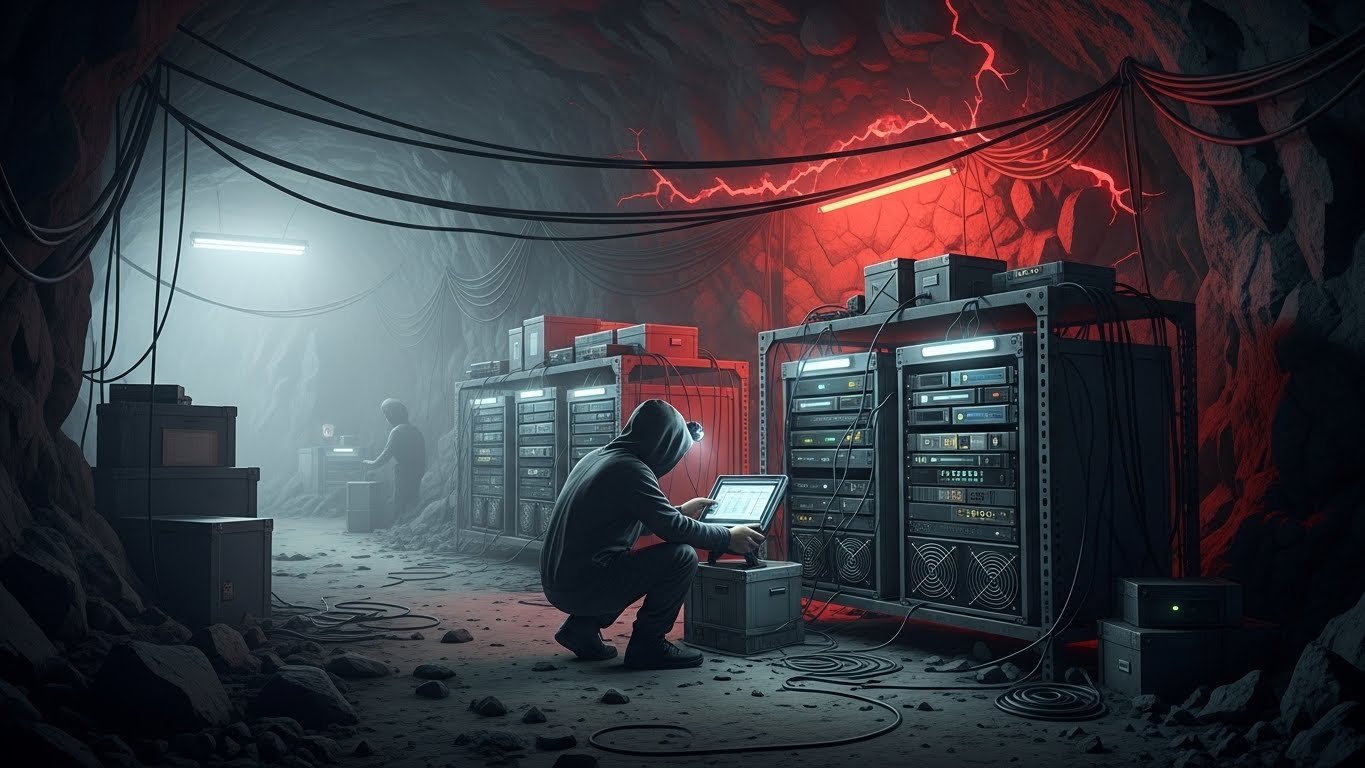
This combination of cheap electricity, sanctions pressure, and currency weakness made Bitcoin mining in Iran grow quickly. But it also created a serious problem: not all mining could be controlled or regulated. As more people started mining, large numbers did so illegally, without licenses or proper power pricing.
This illegal growth would later become one of the key reasons Iran’s Bitcoin mining industry came under threat.
How Iran’s Crisis Is Changing the Bitcoin Mining Environment
Iran is dealing with multiple overlapping crises. Each one creates its own risk for Bitcoin mining, but together they create a dangerous environment.
Economic Crisis and Currency Collapse
Iran’s currency has faced long-term decline, and inflation has placed heavy pressure on households. When a national currency loses value quickly, people naturally search for alternatives. Bitcoin often becomes attractive in such situations because it is seen as a store of value compared to unstable fiat money.
This sounds like it should help Bitcoin mining in Iran. If more people want Bitcoin, then mining becomes more attractive. But in reality, currency crises often lead governments to tighten control over capital movement. Authorities may increase restrictions on crypto exchanges, financial transfers, and digital assets, especially if they believe cryptocurrencies are being used to bypass state control.
So while economic hardship increases interest in Bitcoin mining, it also increases the likelihood of stricter regulations, enforcement actions, and political pressure on miners.
Political Instability and Social Unrest
Political unrest is another major factor. Large protests and internal instability often lead governments to increase surveillance, limit internet access, and tighten control over industries that are linked to digital finance. Bitcoin mining, even when legal, becomes associated with capital flight, digital independence, and alternative economics.
When a country becomes politically unstable, Bitcoin mining becomes harder to operate because miners need consistent conditions. They need uninterrupted power. They need stable rules. They need reliable internet connections. Political unrest threatens all of these.
Electricity Shortages and Energy Politics
Electricity is the biggest issue for Bitcoin mining in Iran. Even before the current crisis, Iran experienced power shortages. But in recent years, these shortages have become more frequent and more politically sensitive.
When power demand rises in summer heat or winter cold, Iran’s grid struggles. Officials often blame Bitcoin mining, especially illegal mining, for draining the electricity supply. In many cases, authorities have responded by shutting down mining farms, seizing equipment, and imposing temporary bans.
This creates an unstable environment where miners cannot predict whether they will be allowed to operate next month, next week, or even tomorrow.
Biggest Threat: Crackdowns on Bitcoin Mining
Crackdowns are one of the most direct risks to Iran’s Bitcoin mining industry. Iran has tried to regulate mining through licensing, but illegal mining has remained widespread. In times of crisis, the government increases enforcement.
Why Illegal Mining Is So Common
The reason illegal mining spreads so widely is simple: it is profitable.
Licensed miners often have to pay higher electricity rates and follow complex rules. Illegal miners, on the other hand, can exploit subsidized electricity without paying the true cost. This creates a huge incentive for individuals and small operators to mine secretly in homes, warehouses, and hidden industrial spaces.
In a struggling economy, illegal mining becomes even more common because people look for any way to earn. This makes enforcement harder, and it encourages government authorities to treat mining as a major national problem.
What Crackdowns Look Like
Crackdowns can include:
confiscation of equipment, forced shutdowns, heavy fines, and arrests. Sometimes authorities shut down large operations. Other times they target small illegal miners across cities.
The biggest issue is that crackdowns don’t only affect illegal miners. Legal miners also suffer because enforcement pressure increases fear, raises operational risk, and makes officials less tolerant of any mining activity.
As Iran’s crisis grows, crackdowns become more likely, more aggressive, and more unpredictable.
Internet Shutdowns: A Hidden Risk for Bitcoin Mining in Iran
Many people think Bitcoin mining only needs electricity and machines. But the industry also needs reliable connectivity.
Bitcoin mining farms must connect to mining pools to receive work and submit results. If the internet becomes unstable, mining efficiency drops. If the internet is shut down completely, miners may be unable to participate in pools and could be forced offline.
Iran has a history of internet restrictions during unrest, and during severe political moments, authorities may cut internet access nationwide or regionally. This creates a serious risk because mining farms depend on continuous connectivity to remain profitable.
Even short disruptions reduce mining revenue. Long disruptions can completely stop operations, especially for large farms.
This makes internet shutdown risk one of the most dangerous and unpredictable threats for Iran’s Bitcoin mining industry.
Sanctions and Equipment Problems: Mining Hardware Becomes a Weak Point
Bitcoin mining is driven by specialized machines, known as ASICs. These machines require constant maintenance, parts replacement, cooling systems, and upgrades.
Iran’s sanctions environment makes all of these harder.
Why Sanctions Matter for Mining
Sanctions limit trade and complicate importing machinery. Even if miners can obtain machines through unofficial routes, the cost is high and the supply chain is unstable. Repairs are also difficult because replacement parts may not be available easily.
This creates a long-term problem: Iranian miners may fall behind global competitors. While miners in other countries upgrade to the newest efficient machines, Iranian miners may be forced to use older models that consume more electricity and generate less profit.
In a time when electricity is already a national crisis, inefficient mining machines increase pressure on the grid and increase political blame on mining.
So sanctions indirectly increase the risk of crackdowns, since outdated mining farms look like energy waste in the eyes of authorities.
Can Iran Still Profit from Bitcoin Mining?
Profitability is not only about electricity cost. It is also about risk and unpredictability.
Even if electricity remains relatively cheap, miners must account for the possibility of shutdowns, seizures, and long downtime. They must also consider equipment costs and repair difficulty. If internet disruptions become common, mining operations could become unstable.
This means Iran’s Bitcoin mining industry may remain profitable for some operators, especially those with strong connections, advanced infrastructure, or the ability to relocate quickly. But for many others, mining may become too risky. In reality, the industry could split into two groups:
large players with influence and stable access to resources, and smaller operators forced underground. This kind of structure makes the industry less transparent and more vulnerable to sudden collapse if enforcement becomes extreme.
What Happens If Iran’s Bitcoin Mining Shrinks?
If Iran’s Bitcoin mining industry reduces, it would create multiple outcomes:
First, mining activity may shift to underground operations. This increases the use of illegal electricity and increases grid pressure. It also increases security risks, such as theft and unsafe wiring.
Second, large mining farms may move to other countries. We have seen miners relocate globally when regulations become unstable. If Iran becomes too risky, capital may flow toward regions with more stable policies.
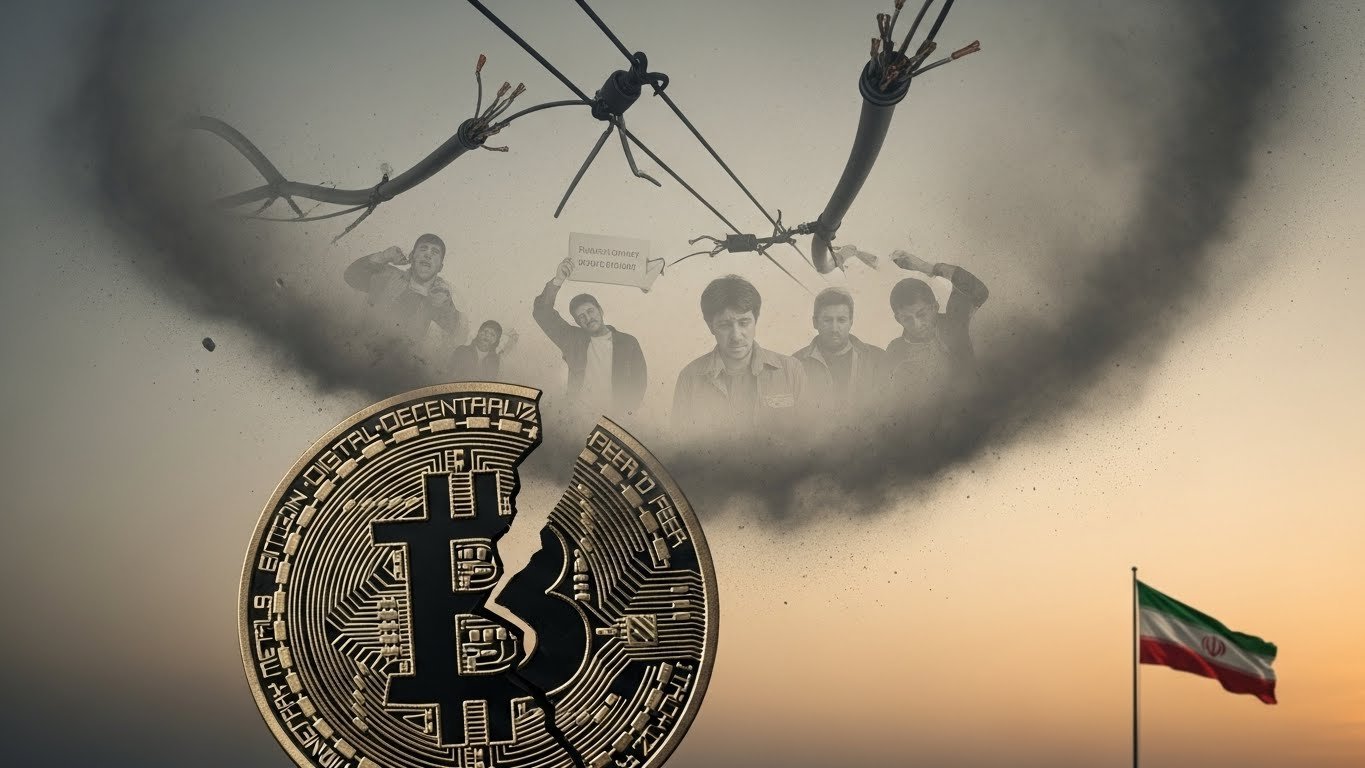
Third, the government may lose potential economic benefits. If Iran wanted to use mining as a strategic industry, heavy crackdowns could remove that opportunity.
Finally, the global Bitcoin network itself would not be seriously damaged by Iran’s mining decline because Bitcoin mining is spread across many countries. But Iran’s situation would still matter as a major example of how geopolitical instability can affect crypto industries.
What the Future Looks Like for Iran’s Bitcoin Mining Industry
Iran’s crisis is not a single event. It is a continuing process.
If Iran improves energy infrastructure, stabilizes its economy, and creates clearer regulations, Bitcoin mining could become a more stable sector. The country could even become a regulated crypto mining hub with strict rules and controlled energy pricing.
But if Iran’s crisis continues, the most likely future is a cycle of enforcement and illegal mining. Miners will operate when pressure is low, then shut down during crackdowns, then return again when electricity stabilizes.
This constant disruption makes Iran’s mining industry unreliable. Investors will hesitate. Operators will limit long-term expansion. And the industry will remain unstable.
So yes, Iran’s growing crisis is putting its Bitcoin mining industry at risk—not just because mining may stop, but because mining may become increasingly unpredictable and politically sensitive.
Conclusion
Iran’s Bitcoin mining industry grew because the country had cheap electricity, sanctions pressure, and a strong need for alternative financial pathways. But the same conditions that helped mining grow are now turning into major risks.
Iran’s growing crisis is increasing power shortages, strengthening crackdowns, raising internet shutdown risks, and making mining equipment harder to maintain due to sanctions and currency decline. As a result, Bitcoin mining in Iran is moving toward a more unstable future.
The industry may not disappear entirely, but it will likely shrink, shift underground, and face frequent disruption unless Iran’s economy stabilizes and the energy situation improves. For miners and investors, the main issue is not only profitability but also survival in an unpredictable environment.
FAQs
Q: Is Bitcoin mining still legal in Iran?
Yes, Bitcoin mining can be legal in Iran under licensing systems. However, many miners operate illegally because legal mining often comes with higher costs and strict rules.
Q: Why does Iran blame Bitcoin mining for blackouts?
Bitcoin mining uses high electricity. During power shortages, authorities often blame illegal mining for worsening grid stress, making it a frequent target during blackout seasons.
Q: Can internet shutdowns stop Bitcoin mining in Iran?
Yes. Bitcoin mining relies on connectivity for pool mining and transaction updates. Internet restrictions or shutdowns can reduce mining revenue or force miners offline entirely.
Q: How do sanctions affect Bitcoin mining in Iran?
Sanctions make it harder to import mining hardware, replacement parts, and cooling systems. This increases costs, slows repairs, and forces miners to run outdated equipment.
Q: Is Iran’s Bitcoin mining industry likely to survive?
It can survive, but it is at high risk. The industry is likely to become smaller, more underground, and more unstable unless economic and energy conditions improve.
Also More: Bitcoin price today falls below $91k amid geopolitics
