


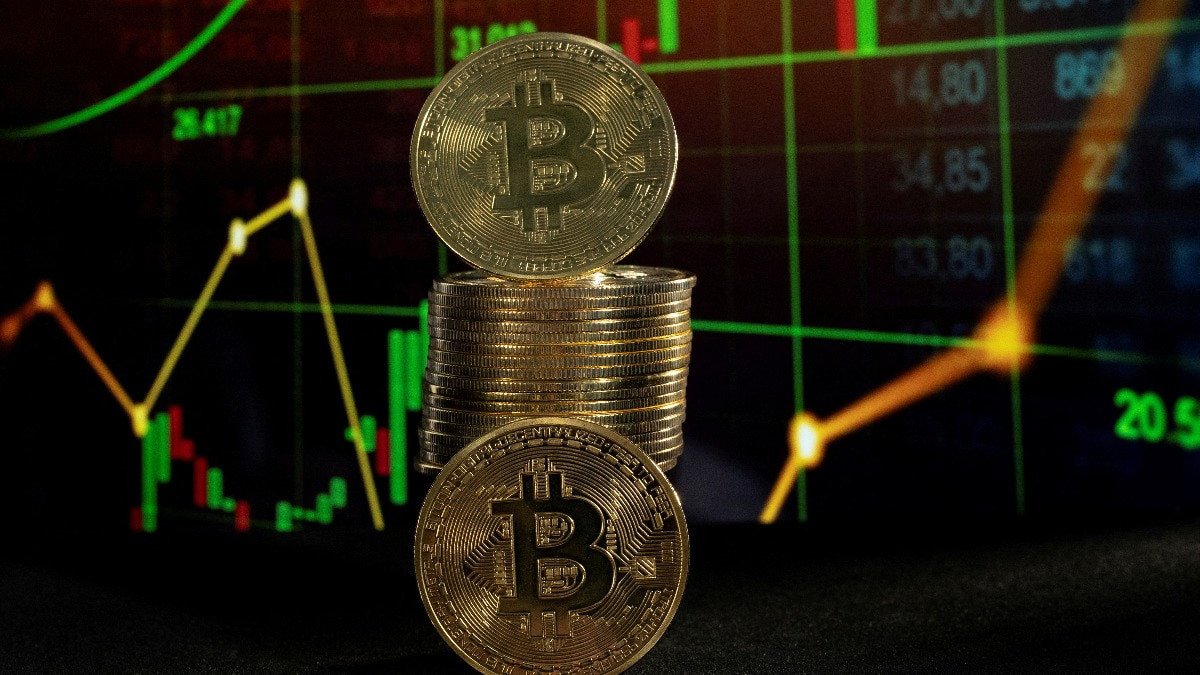
The world of digital currencies has transformed the financial landscape, and bitcoin trading stands at the forefront of this revolutionary change. As the first and most recognised cryptocurrency, Bitcoin has captured the attention of investors, traders, and financial institutions worldwide. Whether you’re a complete beginner looking to make your first trade or an experienced investor seeking to refine your strategies, understanding the fundamentals and advanced techniques of trading this digital asset is essential for success in today’s volatile crypto markets.
The journey into cryptocurrency markets can seem overwhelming at first, with countless platforms, technical terms, and trading strategies to navigate. However, with the right knowledge and approach, anyone can learn to trade Bitcoin effectively. This comprehensive guide will walk you through everything you need to know about trading digital currencies, from understanding basic concepts to implementing advanced strategies that can help you maximise profits while managing risk appropriately.
Understanding Bitcoin and Its Market Dynamics

Before diving into active trading, it’s crucial to understand what makes Bitcoin unique and how its market operates. Bitcoin emerged in 2009 as a decentralised digital currency, created by the pseudonymous Satoshi Nakamoto. Unlike traditional fiat currencies controlled by central banks, Bitcoin operates on a peer-to-peer network using blockchain technology, which ensures transparency and security through cryptographic verification.
The cryptocurrency market operates differently from traditional stock markets in several key ways. Most notably, crypto exchanges function around the clock, meaning bitcoin trading never stops. This twenty-four-seven availability creates unique opportunities and challenges for traders. Price movements can be dramatic and swift, with Bitcoin capable of gaining or losing thousands of dollars in value within hours. These volatile swings are influenced by various factors, including regulatory news, institutional adoption, technological developments, and broader economic conditions.
Market liquidity is another critical aspect to understand. Bitcoin enjoys high liquidity compared to other cryptocurrencies, meaning traders can buy and sell substantial amounts without drastically affecting the price. However, liquidity can vary significantly between different trading platforms and during different market conditions. Understanding these dynamics helps traders make informed decisions about when and where to execute their trades.
Choosing the Right Trading Platform
Selecting an appropriate exchange or platform is one of the most important decisions you’ll make when starting your bitcoin trading journey. The right platform serves as your gateway to the markets and can significantly impact your trading experience and success. Several factors should influence your choice, including security features, available trading pairs, fee structures, user interface design, and regulatory compliance.
Security should be your top priority when evaluating platforms. Look for exchanges that implement robust security measures such as two-factor authentication, cold storage for the majority of funds, and insurance policies covering potential breaches. The history of cryptocurrency exchanges includes several high-profile hacks, making security considerations absolutely essential for protecting your capital.
Fee structures vary widely between platforms and can significantly affect your profitability, especially if you trade frequently. Most exchanges charge fees for both trades and withdrawals, with percentages typically ranging from 0.01 per cent one to0.5o point cent per transaction. Some platforms offer reduced fees for high-volume traders or those who hold the exchange’s native token. Understanding the complete fee structure helps you accurately calculate potential profits and choose the most cost-effective platform for your trading strategy.
User experience matters more than many traders initially realise. A well-designed interface with intuitive navigation, clear charting tools, and efficient order execution can make the difference between capitalising on opportunities and missing them. Test different platforms using their demo accounts or small initial deposits before committing significant capital.
Essential Trading Strategies for Bitcoin Markets
Successful bitcoin trading requires a well-defined strategy tailored to your goals, risk tolerance, and available time commitment. Different approaches suit different trader personalities and circumstances, and understanding various strategies helps you find the right fit for your situation.
Day trading involves opening and closing positions within the same trading day to profit from short-term price movements. Day traders typically make multiple trades daily, leveraging technical analysis and chart patterns to identify entry and exit points. This approach requires significant time commitment, quick decision-making abilities, and strong emotional discipline. The fast-paced nature of day trading in cryptocurrency exchanges means profits and losses can accumulate rapidly, making risk management absolutely crucial.
Swing trading offers a middle ground between day trading and long-term investing. Swing traders hold positions for several days or weeks, attempting to capture larger price movements while avoiding the stress and time commitment of day trading. This strategy relies heavily on technical analysis to identify trend reversals and momentum shifts. Swing trading can be particularly effective in Bitcoin markets due to the asset’s tendency to establish clear trends lasting several days or weeks.
Position trading represents a longer-term approach where traders maintain positions for weeks, months, or even years. Position traders focus more on fundamental analysis, considering factors like adoption rates, regulatory developments, and technological improvements. This strategy requires patience and conviction but typically involves less active management and lower transaction costs compared to shorter-term approaches.
Scalping represents the most active trading style, where traders make dozens or even hundreds of trades daily to capture tiny price movements. Scalpers hold positions for seconds or minutes, requiring lightning-fast execution, minimal fees, and sophisticated tools. While potentially profitable, scalping demands exceptional focus, advanced skills, and significant time investment.
Technical Analysis for Cryptocurrency Trading
Technical analysis forms the backbone of most bitcoin trading strategies, providing traders with tools to identify patterns, trends, and potential price movements. Understanding key technical indicators and chart patterns significantly improves your ability to make informed trading decisions.
Chart patterns offer visual representations of market psychology and potential future movements. Common patterns like head and shoulders, double tops and bottoms, triangles, and flags appear regularly in Bitcoin charts. Learning to recognise these formations helps traders anticipate breakouts, reversals, and continuation patterns. However, patterns should never be used in isolation; confirmation from other indicators strengthens the reliability of signals.
Moving averages smooth out price data to help identify trends and potential support or resistance levels. Simple moving averages calculate the average price over a specific period, while exponential moving averages give more weight to recent prices. Many traders watch key moving averages like the fifty-day and two-hundred-day lines, with crossovers between these indicators potentially signalling trend changes. The crypto trading community pays close attention to these technical levels, sometimes creating self-fulfilling prophecies as traders act on widely-watched signals.
The Relative Strength Index measures momentum and helps identify overbought or oversold conditions. This oscillator ranges from zero to one hundred, with readings above seventy suggesting overbought conditions and readings below thirty indicating oversold conditions. However, in strong trends, Bitcoin can remain overbought or oversold for extended periods, making it essential to use RSI alongside other indicators.
Volume analysis provides crucial context for price movements. Increasing volume during upward price movements confirms bullish sentiment, while rising volume during declines suggests strong selling pressure. Conversely, price movements on low volume often lack conviction and are more likely to reverse. Understanding volume patterns helps traders distinguish between significant moves and temporary noise in bitcoin markets.
Risk Management and Capital Preservation
Protecting your capital represents the most critical aspect of sustainable bitcoin trading. Even the most sophisticated strategies prove worthless without proper risk management, as a few poorly managed trades can wipe out months of profits. Implementing robust risk management techniques separates long-term successful traders from those who eventually deplete their accounts.
Position sizing determines how much capital you risk on each trade, and getting this right is fundamental to long-term survival. Most professional traders risk only one to two per cent of their total capital on any single trade. This conservative approach ensures that even a string of losses won’t devastate your account. For example, if you have ten thousand dollars in your trading account, risking two per cent means you’d risk only two hundred dollars per trade. This calculation considers not your position size but your potential loss if your stop loss is hit.
Stop loss orders automatically close positions when prices move against you beyond a predetermined point, limiting potential losses. Every trade should include a stop loss placed at a level that invalidates your trading thesis. Never move stop losses further away from your entry point, hoping for a reversal; this common mistake leads to catastrophic losses. The distance between your entry and stop loss, combined with your position size, determines your risk per trade.
Diversification extends beyond simply holding multiple cryptocurrencies. While Bitcoin often dominates portfolios, considering exposure to different asset classes, trading strategies, and timeframes can reduce overall portfolio volatility. However, excessive diversification can dilute potential returns and make portfolio management unwieldy. Finding the right balance depends on your risk tolerance and trading goals.
Emotional discipline separates consistently profitable traders from those who struggle. The volatile nature of cryptocurrency trading can trigger powerful emotions like fear during crashes and greed during rallies. Developing systems and rules that you follow regardless of emotions helps maintain consistency. Keeping a trading journal documenting your trades, reasoning, and emotional state provides valuable insights for continuous improvement.
Fundamental Analysis in Cryptocurrency Markets

While technical analysis dominates short-term bitcoin trading, fundamental analysis provides crucial context for longer-term positions and helps traders understand the bigger picture driving price movements. Fundamental factors influence Bitcoin’s value in ways that charts alone cannot capture.
Network fundamentals offer insights into Bitcoin’s health and adoption. Metrics like hash rate, which measures the computational power securing the network, indicate miner confidence and network security. Rising hash rates typically signal growing institutional involvement and belief in Bitcoin’s long-term prospects. Transaction volume and active addresses reveal actual usage patterns, helping distinguish genuine adoption from mere speculation.
Regulatory developments significantly impact digital asset markets. Government announcements regarding cryptocurrency regulation, taxation, or outright bans can trigger dramatic price movements. Staying informed about regulatory discussions in major economies helps traders anticipate potential volatility. Positive regulatory clarity often supports price appreciation as it reduces uncertainty and enables institutional participation.
Institutional adoption represents one of the most powerful long-term drivers of Bitcoin value. When major corporations add Bitcoin to their treasury reserves, payment processors integrate cryptocurrency payments, or traditional financial institutions offer crypto services, these developments validate Bitcoin’s role in the global financial system. Monitoring institutional announcements and tracking large wallet movements provides insights into smart money positioning.
Macroeconomic conditions increasingly influence Bitcoin prices as the asset matures. Many investors view Bitcoin as a hedge against inflation and currency devaluation, leading to correlations with monetary policy decisions, inflation data, and broader financial market trends. Understanding these relationships helps traders position appropriately based on the economic environment.
Advanced Trading Techniques and Tools
As traders gain experience with bitcoin trading, exploring advanced techniques and tools can enhance profitability and provide additional strategic options. These approaches require solid foundational knowledge and should be implemented gradually as your skills develop.
Leverage and margin trading allow traders to control larger positions than their capital would normally permit by borrowing funds from the exchange. While leverage can amplify profits, it equally magnifies losses, making it exceptionally risky. Many traders have lost entire accounts through excessive leverage during volatile market movements. If you choose to use leverage, start with minimal amounts, understand liquidation prices thoroughly, and never risk more than you can afford to lose.
Algorithmic trading involves using computer programs to execute trades based on predefined criteria. Algorithms can monitor multiple markets simultaneously, execute trades faster than humans, and remove emotional decision-making. Simple algorithms might implement basic strategies like moving average crossovers, while sophisticated systems use machine learning to identify complex patterns. However, developing reliable algorithms requires programming skills, extensive testing, and continuous monitoring to ensure they perform as intended in changing market conditions.
Arbitrage opportunities exist when Bitcoin trades at different prices across exchanges, allowing traders to profit from these discrepancies. However, meaningful arbitrage opportunities have become increasingly rare as markets mature and efficiency improves. Additionally, factors like transfer times, transaction fees, and exchange limits can erode or eliminate apparent arbitrage profits. Geographic arbitrage, where Bitcoin trades at premiums in certain countries due to capital controls or limited access, occasionally offers opportunities but comes with additional complexities and risks.
Technical indicators and custom tools help traders develop unique edges in cryptocurrency markets. Combining multiple indicators to create custom signals, backtesting strategies against historical data, and using specialised charting software can improve decision-making. However, avoid indicator overload; too many conflicting signals create confusion rather than clarity. Focus on mastering a select few indicators that complement your trading style.
Psychology and Mindset for Trading Success
The psychological aspects of bitcoin trading often determine success or failure more than technical knowledge or strategic sophistication. Developing the right mindset and managing emotions effectively separates consistently profitable traders from those who struggle despite understanding markets intellectually.
Understanding cognitive biases helps traders recognise and counteract mental traps. Confirmation bias leads traders to seek information supporting their existing positions while ignoring contradictory evidence. Recency bias causes the overweighting of recent events when making decisions, leading to poor timing as traders assume current trends will continue indefinitely. Loss aversion makes losses feel more painful than equivalent gains feel pleasurable, sometimes causing traders to hold losing positions too long while selling winners too quickly.
Patience remains one of the most valuable yet underappreciated trading virtues. The best traders spend far more time waiting for high-probability setups than actively trading. The twenty-four-seven nature of crypto markets creates pressure to constantly participate, but overtrading erodes capital through fees and poor decision-making. Learning to wait patiently for your specific criteria to be met dramatically improves results.
Accepting losses as part of the trading process represents a critical psychological milestone. No strategy wins every trade, and attempting to avoid all losses leads to worse outcomes. Professional traders focus on positive expectancy over multiple trades rather than obsessing over individual outcomes. When losses occur, analysing them objectively for lessons rather than dwelling on emotional pain accelerates learning and improvement.
Maintaining work-life balance prevents burnout and supports long-term success. The volatile and continuous nature of Bitcoin markets can become consuming, with traders constantly checking prices and feeling unable to disconnect. Establishing clear boundaries around trading hours, taking regular breaks, and maintaining interests outside of trading preserves mental health and actually improves trading performance by providing the necessary perspective.
Tax Implications and Legal Considerations
Responsible bitcoin trading includes understanding and complying with applicable tax obligations and legal requirements. Cryptocurrency tax treatment varies significantly between jurisdictions, and ignorance does not protect from potential penalties.
In many countries, cryptocurrency trades trigger taxable events. Selling Bitcoin for fiat currency, trading Bitcoin for other cryptocurrencies, and even using Bitcoin to purchase goods or services can create tax obligations. Most jurisdictions treat cryptocurrency as property rather than currency for tax purposes, meaning capital gains taxes apply to profitable trades. Short-term and long-term capital gains often receive different tax treatment, with rates depending on holding periods and total income.
Record-keeping becomes essential for accurate tax reporting and potential audit defence. Tracking every trade, including dates, amounts, values in local currency at transaction time, fees paid, and resulting gains or losses, seems tedious but proves necessary. Various software tools and services help automate this tracking by connecting to exchanges and calculating tax obligations. Starting proper record-keeping from your first trade prevents overwhelming complications later.
Regulatory compliance extends beyond taxes to include know-your-customer and anti-money-laundering requirements. Reputable trading platforms require identity verification before allowing significant deposits or withdrawals. While some traders view these requirements as intrusive, complying ensures continued access to services and protects against potential legal issues. Understanding your jurisdiction’s specific regulations helps you trade confidently within legal boundaries.
Building a Sustainable Trading Plan

Long-term success in bitcoin trading requires a comprehensive, written trading plan that guides decision-making and provides accountability. Creating this plan forces you to think through your approach systematically rather than reacting impulsively to market movements.
Your trading plan should define clear entry and exit criteria based on your chosen strategy. Rather than vague intentions like “buy when Bitcoin looks good,” specify exact conditions triggering trades. For example, “Enter long positions when price breaks above the twenty-day moving average with volume exceeding the fifty-day average and RSI above fifty.” Similarly precise exit rules for both profit targets and stop losses eliminate emotional decision-making during trades.
Risk parameters form another crucial component of your plan. Document your maximum risk per trade, maximum daily loss limits, and overall portfolio risk tolerance. When you hit these limits, your plan should mandate stepping away from trading temporarily to reassess. These guardrails prevent emotional trading from devastating your account during difficult periods.
Performance tracking and review processes ensure continuous improvement. Recording all trades with entry and exit points, reasoning, outcome, and lessons learned creates an invaluable resource for identifying patterns in your performance. Regular reviews of this journal reveal which setups work best for you, which mistakes you repeat, and how to refine your approach. Monthly and quarterly performance reviews with specific metrics help you track progress toward goals and adjust strategies as needed.
Adaptation remains essential as markets evolve. What works during trending markets may fail during ranging conditions. Successful traders regularly assess whether current market conditions suit their strategies and adjust accordingly. Your trading plan should be a living document, updated based on experience and changing circumstances while maintaining core risk management principles.
Conclusion
Mastering bitcoin trading represents a journey requiring dedication, continuous learning, and disciplined execution. The cryptocurrency markets offer tremendous opportunities for those willing to invest time in understanding technical and fundamental analysis, developing robust strategies, and implementing rigorous risk management. Success comes not from finding secret techniques or perfect indicators but from consistently applying sound principles while managing the psychological challenges inherent in trading.
The volatile nature of Bitcoin creates both opportunities and risks that demand respect. Approaching these markets with appropriate caution, realistic expectations, and commitment to ongoing education positions you for sustainable success. Whether you choose day trading, swing trading, or longer-term position trading, the fundamentals of protecting capital, managing emotions, and executing with discipline remain constant.
Remember that becoming a consistently profitable trader takes time, and most successful traders experienced losses and setbacks before achieving their goals. View each trade as a learning opportunity, maintain detailed records, and continuously refine your approach based on results. With patience, persistence, and the comprehensive knowledge provided in this guide, you can navigate the exciting world of cryptocurrency trading and work toward your financial goals in these revolutionary digital asset markets.
FAQs
Q: How much money do I need to start bitcoin trading?
You can technically start Bitcoin trading with as little as ten to fifty dollars on most exchanges, as Bitcoin is divisible and you can purchase fractions of a coin. However, having at least five hundred to one thousand dollars provides more flexibility for proper risk management and position sizing. Starting with smaller amounts allows you to learn without significant financial risk, but be aware that fees take up a larger percentage of small accounts. Focus initially on education and developing skills rather than making substantial profits, then scale up your capital as your competence grows.
Q: What is the best time of day to trade Bitcoin?
Bitcoin markets operate continuously, but certain periods typically see higher volatility and volume. The overlap between European and North American trading hours, roughly between 1 PM and 5 PM UTC, often experiences the most activity. However, significant price movements can occur at any time, and the “best” time depends on your specific strategy. Day traders benefit from volatile periods with high volume, while swing traders care less about intraday timing. Rather than trying to time the market perfectly, focus on trading when you can give full attention to monitoring positions and executing your strategy effectively.
Q: Is Bitcoin trading legal in my country?
Cryptocurrency regulations vary dramatically worldwide and change frequently. Most developed nations allow bitcoin trading but regulate exchanges and may require tax reporting. Some countries have imposed partial or complete bans. Research your specific jurisdiction’s current regulations through official government sources or consult with a tax professional familiar with cryptocurrency. Even where legal, ensure you use regulated exchanges that comply with local requirements. The legal landscape continues evolving, so staying informed about regulatory developments in your region is essential for compliant trading.
Q: How can I protect my Bitcoin from hacks and theft?
Security requires multiple layers of protection. Use exchanges with strong security reputations, enable two-factor authentication on all accounts, and use unique, complex passwords for each platform. For significant holdings, transfer Bitcoin to a hardware wallet that stores your private keys offline, immune to online hacking attempts. Never share your private keys or seed phrases with anyone, and be extremely cautious of phishing attempts disguised as legitimate communications from exchanges. Consider spreading holdings across multiple wallets and exchanges to avoid complete loss if one gets compromised. Regular security audits of your practices help identify and address vulnerabilities.
Q: Should I use leverage when trading Bitcoin?
Leverage amplifies both gains and losses, making it extremely risky, especially for beginners. Most professional traders recommend mastering bitcoin trading without leverage before considering margin positions. If you do use leverage, start with minimal amounts, like two times or three times, rather than the high leverage some exchanges offer. Understand liquidation prices thoroughly and never risk more capital than you can afford to lose completely. Many traders have lost entire accounts through excessive leverage during Bitcoin’s volatile price swings. Focus on developing profitable strategies with regular spot trading before adding leverage complexity to your approach.
Read More: Bitcoin Current Value Live Price & Market Analysis 2025
