


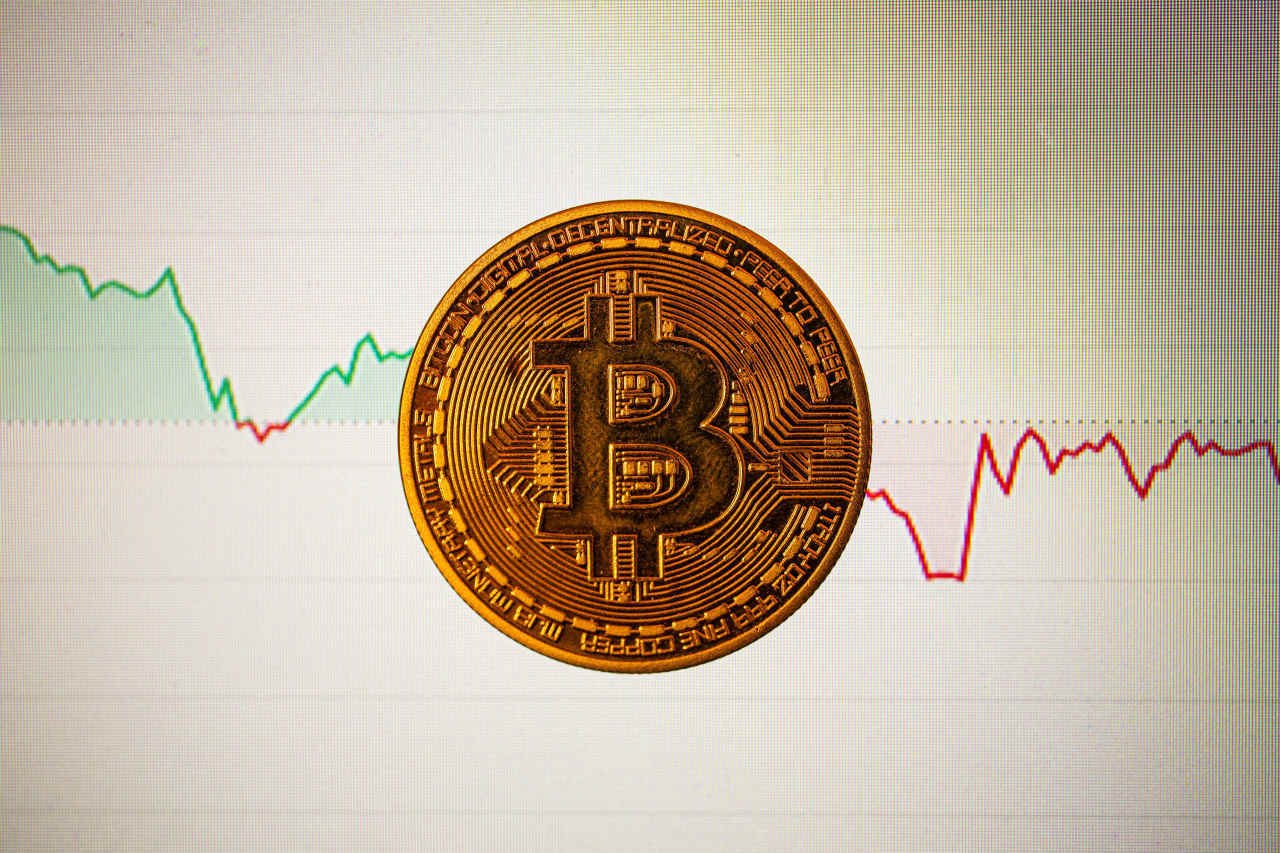
For anyone involved in cryptocurrency trading or investment, understanding how to track the live Bitcoin price is essential. Whether you’re a seasoned trader executing multiple transactions daily or a curious newcomer taking your first steps into the crypto space, having access to real-time price information can mean the difference between profitable decisions and missed opportunities.
Bitcoin’s value fluctuates constantly, sometimes experiencing dramatic swings within minutes or even seconds. This volatility, while presenting risks, also creates unique opportunities for investors who stay informed about current market conditions. The ability to monitor BTC price movements in real-time has become not just a convenience but a necessity for anyone serious about cryptocurrency investment. In this comprehensive guide, we’ll explore everything you need to know about tracking Bitcoin’s price, understanding market dynamics, and making informed decisions based on accurate, up-to-the-minute data.
Understanding Bitcoin Price Dynamics

What Determines Bitcoin’s Value
The live bitcoin price you see on various platforms represents the current market valuation of one Bitcoin in relation to traditional currencies like the US dollar, euro, or other cryptocurrencies. Unlike traditional currencies controlled by central banks, Bitcoin operates on a decentralised network where its value is determined purely by market forces of supply and demand. This fundamental characteristic makes Bitcoin’s price behaviour unique and sometimes unpredictable.
Several factors influence cryptocurrency market prices at any given moment. Market sentiment plays a crucial role, as news events, regulatory announcements, and technological developments can trigger rapid price movements. When major companies announce Bitcoin adoption or governments introduce crypto-friendly policies, prices often surge. Conversely, regulatory crackdowns or security breaches can cause sudden drops. Additionally, Bitcoin’s programmed scarcity, with only twenty-one million coins ever to exist, creates inherent value that traditional fiat currencies lack.
The Role of Market Liquidity
Market liquidity significantly impacts how Bitcoin price fluctuations occur throughout the day. Liquidity refers to how easily Bitcoin can be bought or sold without causing dramatic price changes. During periods of high trading volume, the market typically exhibits more stability because numerous buyers and sellers are actively participating. However, during off-peak hours or in smaller markets, even modest transactions can cause noticeable price swings.
Understanding liquidity helps explain why you might see slightly different prices across various exchanges. Each platform operates its own order book where buyers and sellers meet, and differences in trading volume and user base can create price variations. This phenomenon, known as an arbitrage opportunity, is why serious traders often monitor multiple sources for the most accurate real-time Bitcoin data.
How to Track Live Bitcoin Price Effectively
Cryptocurrency Exchange Platforms
The most reliable way to monitor the live Bitcoin price is through established cryptocurrency exchanges. These platforms provide real-time price feeds directly from their trading engines, reflecting actual transactions occurring on their systems. Major exchanges process thousands of transactions per second, and their prices display updates continuously to reflect the current market rate.
When using exchange platforms for price tracking, it’s important to understand that each exchange operates independently. The BTC market value on one platform might differ slightly from another due to regional demand variations, trading volumes, and liquidity differences. Most experienced traders keep accounts on multiple exchanges and cross-reference prices to get a comprehensive view of the market. Some exchanges also offer advanced charting tools that display historical data, helping users identify trends and patterns in Bitcoin price movements.
Dedicated Price Tracking Websites
Specialised cryptocurrency price aggregation websites have emerged as valuable resources for monitoring the live Bitcoin price across multiple exchanges simultaneously. These platforms collect data from dozens of sources and calculate average prices, providing users with a more holistic view of Bitcoin’s current valuation. They typically display information beyond just the current price, including twenty-four-hour trading volume, market capitalisation, and percentage changes over various time periods.
These tracking websites often feature customizable alerts that notify users when Bitcoin reaches specific price points. This functionality proves invaluable for traders who cannot constantly monitor screens but want to act quickly when market conditions meet their criteria. Many also offer mobile applications, ensuring you can check cryptocurrency prices wherever you are, making informed decisions even while away from your computer.
Mobile Applications for Price Monitoring
The rise of smartphone technology has made tracking the live Bitcoin price more accessible than ever. Numerous mobile applications deliver real-time price updates directly to your device, complete with customizable notifications and detailed market analysis. These apps range from simple price tickers to comprehensive trading platforms offering full functionality for buying, selling, and managing digital assets.
Quality Bitcoin price applications provide more than basic numbers. They include interactive charts showing price trends, news feeds aggregating relevant cryptocurrency information, and portfolio tracking features helping users monitor their investment performance. The best applications balance comprehensive data with user-friendly interfaces, ensuring both beginners and experienced traders can quickly access the information they need.
Interpreting Bitcoin Price Data
Reading Price Charts and Indicators
Understanding how to interpret Bitcoin price charts transforms raw data into actionable insights. Price charts come in various formats, with candlestick charts being among the most popular for cryptocurrency trading. Each candlestick represents a specific time period and displays four critical pieces of information: opening price, closing price, highest price reached, and lowest price touched during that period.
Technical analysts use these charts alongside various indicators to predict future BTC price movements. Moving averages smooth out price data over specific periods, helping identify overall trends. The Relative Strength Index (RSI) measures momentum and can signal whether Bitcoin is overbought or oversold. Volume indicators show trading activity levels, providing context for price changes. While no indicator guarantees future performance, combining multiple analytical tools helps traders make more educated decisions about when to enter or exit positions.
Understanding Market Volatility
Bitcoin’s notorious volatility is both a challenge and an opportunity for investors. The live bitcoin price can swing by hundreds or even thousands of dollars within a single day. This volatility stems from various factors, including relatively lower market maturity compared to traditional assets, regulatory uncertainty, technological developments, and the influence of large holders known as “whales” who can move markets with substantial transactions.
Seasoned investors develop strategies specifically designed to navigate this volatility. Some employ dollar-cost averaging, investing fixed amounts regularly regardless of price, which helps smooth out the impact of short-term fluctuations. Others use stop-loss orders to automatically exit positions if prices drop below predetermined levels, limiting potential losses. Understanding that volatility is inherent to cryptocurrency markets helps investors maintain perspective during both euphoric rallies and painful corrections.
Factors Affecting Real-Time Bitcoin Prices
Global Economic Conditions
The live bitcoin price doesn’t exist in isolation but responds to broader economic trends and conditions. During periods of economic uncertainty or currency devaluation, Bitcoin often sees increased demand as investors seek alternative stores of value. Conversely, when traditional markets perform strongly and confidence in fiat currencies remains high, capital may flow away from cryptocurrencies toward conventional investments.
Inflation rates particularly influence Bitcoin valuation as many view it as “digital gold,” offering protection against currency depreciation. When central banks implement expansionary monetary policies or print excessive currency, Bitcoin’s fixed supply becomes more attractive. Global events such as banking crises, political instability, or major policy changes can trigger rapid shifts in Bitcoin demand, immediately reflected in real-time price data.
Regulatory Developments and News
Regulatory news represents one of the most immediate catalysts for Bitcoin price fluctuations. Announcements from government bodies regarding cryptocurrency regulation can send prices soaring or plummeting within minutes. Positive developments like regulatory clarity, institutional adoption, or crypto-friendly legislation typically boost confidence and prices. Negative ne,ws such as proposed bans, restrictive regulations, or government crackdowns often trigger sell-offs.
Staying informed about regulatory developments worldwide is crucial for understanding sudden BTC market movements. Major economies like the United States, the European Union, and China wield particular influence over global cryptocurrency sentiment. Traders who monitor news sources and official announcements can often anticipate market reactions, positioning themselves advantageously before major price movements occur.
Technological Advances and Network Updates
Bitcoin’s underlying technology continually evolves, and updates to the network can significantly impact the live Bitcoin price. Protocol upgrades that improve transaction speed, reduce fees, or enhance security generally receive positive market reception. Conversely, technical problems, network congestion, or security vulnerabilities can undermine confidence and depress prices.
The broader cryptocurrency ecosystem’s technological developments also influence Bitcoin’s valuation. Innovations in blockchain technology, improvements to competing cryptocurrencies, or breakthroughs in scaling solutions all affect how investors perceive Bitcoin’s long-term value proposition. Understanding these technological dimensions adds depth to price analysis beyond simple chart reading.
Best Practices for Monitoring Bitcoin Prices
Setting Up Price Alerts
Effective price monitoring requires more than passive observation. Setting up strategic price alerts ensures you never miss important market movements, regardless of your physical availability to watch screens. Most platforms offering real-time Bitcoin tracking include customizable alert systems that notify users via email, text message, or push notification when prices reach specified levels.
Successful traders typically set multiple alert thresholds. Upper alerts signal when Bitcoin reaches target selling prices, while lower alerts indicate potential buying opportunities or stop-loss triggers. Setting alerts at psychologically significant price levels like round numbers can also prove valuable, as these points often see increased trading activity. The key is configuring alerts that align with your specific investment strategy and risk tolerance.
Comparing Multiple Data Sources
Relying on a single source for live Bitcoin price information can provide an incomplete or potentially misleading picture. Smart investors cross-reference data from multiple reputable platforms to ensure accuracy and identify any anomalies. Significant price discrepancies between exchanges might indicate technical issues, liquidity problems, or unique market conditions worth investigating before making trading decisions.
Developing a routine of checking several trusted sources becomes second nature for experienced cryptocurrency participants. This practice not only improves accuracy but also provides a broader market perspective. Different platforms often offer unique features, analytical tools, or data presentations that complement each other, giving you a more comprehensive understanding of current cryptocurrency market conditions.
Understanding Time Zones and Global Markets
Bitcoin trades continuously across global markets operating in different time zones, making the live bitcoin price a truly twenty-four-seven phenomenon. Unlike traditional stock markets with defined opening and closing hours, cryptocurrency exchanges never sleep. This constant activity means significant price movements can occur at any time, regardless of your local timezone.
Being aware of when major markets are most active helps anticipate potential volatility periods. Asian markets typically dominate trading during morning hours in that region, followed by European activity, then North American sessions. Understanding these patterns helps investors recognise when liquidity peaks, potentially offering better execution prices and more stable BTC valuations for larger transactions.
Making Informed Investment Decisions
Short-Term Trading Versus Long-Term Holding
Your approach to monitoring the live Bitcoin price should align with your investment timeframe and strategy. Short-term traders who engage in day trading or swing trading require constant attention to price movements, technical indicators, and market momentum. They make frequent decisions based on minute-to-minute or hour-to-hour Bitcoin price changes, attempting to profit from short-term volatility.
Long-term holders or “HODLers” in cryptocurrency parlance take a different approach. While still monitoring the current Bitcoin price, they focus less on daily fluctuations and more on fundamental value propositions and long-term trends. This strategy requires emotional discipline to weather short-term volatility without panic selling during corrections. Many successful long-term investors check prices regularly but avoid making impulsive decisions based on temporary market movements.
Risk Management Strategies
Regardless of investment approach, effective risk management remains paramount when dealing with Bitcoin’s volatility. Never invest more than you can afford to lose completely, as the cryptocurrency market carries inherent risks, including potential total loss. Diversification across multiple assets rather than concentrating everything in Bitcoin helps spread risk and potentially stabilise overall portfolio performance.
Position sizing represents another critical risk management element. Even if highly confident about Bitcoin’s prospects, allocating a reasonable percentage of your investment portfolio to cryptocurrency protects against catastrophic losses if the market moves against your expectations. Many financial advisors suggest limiting cryptocurrency exposure to five to ten per cent of total investable assets, though individual circumstances and risk tolerance vary widely.
Emotional Discipline in Volatile Markets
Perhaps the most challenging aspect of tracking the live Bitcoin price involves managing emotional responses to market movements. Fear and greed drive much cryptocurrency trading, often leading to poor decisions like panic selling near market bottoms or buying euphemistically at peaks. Successful investors develop emotional discipline that allows them to stick with predetermined strategies regardless of short-term price action.
Creating and following a written investment plan helps maintain discipline during emotionally charged market conditions. This plan should outline entry and exit criteria, position sizes, and circumstances under which you’ll buy or sell. When the BTC price moves dramatically, referring back to your plan rather than making impulsive decisions based on current emotions typically produces better long-term results.
The Future of Bitcoin Price Tracking
Emerging Technologies and Tools
The infrastructure for monitoring the live Bitcoin price continues evolving with technological advancements. Artificial intelligence and machine learning algorithms increasingly power sophisticated analytical tools that identify patterns invisible to human observers. These systems process vast amounts of data from multiple sources, generating insights about potential price movements based on historical patterns and current market conditions.
Blockchain analytics tools have also emerged, providing transparency into Bitcoin transactions and wallet movements. Watching where large amounts of Bitcoin move can offer clues about potential market direction. When significant quantities transfer from wallets to exchanges, it might signal impending selling pressure. Conversely, movement from exchanges to private wallets often indicates accumulation and potential bullish sentiment.
Integration with Traditional Finance
As Bitcoin gains mainstream acceptance, integration between cryptocurrency and traditional financial systems deepens. Major financial institutions now offer Bitcoin-related products, and this trend is likely to accelerate. Such integration could ultimately lead to more stable Bitcoin valuations as deeper liquidity and broader participation reduce volatility.
The emergence of Bitcoin exchange-traded funds, futures contracts, and other derivative products provides additional avenues for price discovery and hedging. These instruments allow traditional investors to gain Bitcoin exposure through familiar mechanisms, potentially bringing substantial capital into the market. Understanding how these traditional financial products interact with spot cryptocurrency prices adds another layer to comprehensive market analysis.
Conclusion
Tracking the live bitcoin price effectively requires understanding multiple dimensions of cryptocurrency markets, from technical analysis and fundamental factors to psychological discipline and risk management. Bitcoin’s revolutionary nature as a decentralised digital currency creates unique price dynamics that differ fundamentally from traditional assets. The constant price fluctuations that initially seem chaotic begin revealing patterns and rhythms as you gain experience monitoring markets.
Success in cryptocurrency investment comes not from predicting every price movement but from developing systematic approaches to monitoring, analysing, and responding to market conditions. Whether you’re day trading or holding long-term, access to accurate real-time Bitcoin data combined with solid analytical frameworks and emotional discipline forms the foundation for informed decision-making. As Bitcoin continues maturing and integration with global financial systems deepens, the tools and methods for price tracking will evolve, but the fundamental principles of careful monitoring and disciplined strategy execution remain timeless.
The journey of understanding Bitcoin price dynamics never truly ends, as markets constantly evolve and new factors emerge, influencing valuations. Staying educated, remaining adaptable, and maintaining realistic expectations about both opportunities and risks positions you for success in the exciting and challenging world of cryptocurrency investment. Remember that while tools and data provide valuable insights, ultimately your knowledge, discipline, and strategic thinking determine investment outcomes far more than any single price monitoring platform or analytical tool.
Frequently Asked Questions
Q: How often does the live Bitcoin price update?
The live bitcoin price updates continuously in real-time, essentially every second, as new transactions occur on exchanges. However, the display refresh rate on websites and applications typically ranges from one to five seconds, depending on the platform. High-frequency trading systems may access even faster data feeds for professional trading purposes.
Q: Why do different exchanges show slightly different Bitcoin prices?
Different exchanges display varying prices because each operates its own independent marketplace with unique supply and demand dynamics. Factors like regional demand, trading volume, liquidity levels, and local regulations create price variations between platforms. These differences are usually small and tend to narrow through arbitrage trading.
Q: Is constantly checking the live Bitcoin price necessary for successful investing?
Constant price monitoring is not necessary for all investment strategies. Day traders require frequent price checks, but long-term investors can succeed with periodic monitoring focused on major trends rather than minute-to-minute fluctuations. Your monitoring frequency should match your investment timeframe and strategy.
Q: Can the live Bitcoin price be manipulated?
While Bitcoin’s decentralised nature and large market capitalisation make widespread manipulation difficult, localised price manipulation can occur, particularly on smaller exchanges with lower liquidity. Practices like “pump and dump” schemes or “spoofing” exist, though major exchanges implement measures to detect and prevent such activities.
Q: What’s the best time of day to check Bitcoin prices for trading?
Bitcoin trades continuously, but the most liquid periods typically occur when multiple major markets overlap, particularly during European and North American trading hours. However, significant price movements can happen at any time, so the “best” time depends on your specific trading strategy and which markets you primarily use for transactions.
Read More: Bitcoin Price USD Live Real Time Guide & Analysis 2025
