



As we look toward the future, understanding the potential Bitcoin price in 2026 becomes crucial for anyone involved in cryptocurrency markets, whether you’re a seasoned trader or someone considering your first digital asset investment. This comprehensive analysis examines the multifaceted factors that could influence Bitcoin’s valuation in the coming years, from technological advancements and regulatory frameworks to institutional adoption and global economic conditions.
Bitcoin has historically demonstrated remarkable resilience and growth potential, surviving multiple market cycles, regulatory challenges, and technological hurdles. The journey toward 2026 promises to be equally eventful, with numerous catalysts potentially driving cryptocurrency valuation to unprecedented levels or presenting challenges that could temper expectations. Understanding these dynamics requires examining historical patterns, current market conditions, and emerging trends that shape the digital asset ecosystem.
Understanding Bitcoin’s Historical Price Patterns
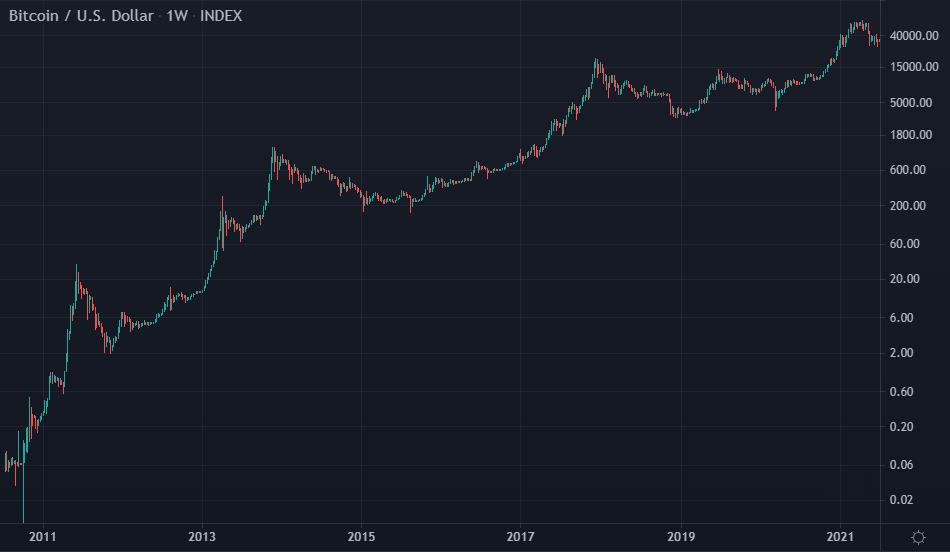
Bitcoin’s price trajectory has never followed a linear path, and this volatility has become a defining characteristic of the digital currency market. Since its creation in 2009, Bitcoin has experienced several boom-and-bust cycles, commonly referred to as bull and bear markets within the crypto community. These cycles have typically followed the halving events—programmed reductions in Bitcoin mining rewards that occur approximately every four years.
The cryptocurrency reached its previous all-time high in late 2021, surpassing $68,000 before entering a prolonged correction phase. Historical analysis reveals that Bitcoin tends to experience significant appreciation in the year following a halving event, with the most substantial gains often occurring 12 to 18 months post-halving. The most recent halving occurred in 2024, which positions 2026 as a potentially pivotal year based on historical patterns.
However, past performance never guarantees future results, especially in the rapidly evolving cryptocurrency sector. The Bitcoin price in 2026 will likely be influenced by factors that didn’t exist during previous cycles, including mature institutional infrastructure, clearer regulatory frameworks, and broader mainstream adoption. These new dynamics could either amplify historical patterns or create entirely new price trajectories that deviate from past behavior.
Institutional Adoption and Its Impact on Future Valuations
The institutional landscape surrounding Bitcoin has transformed dramatically in recent years, and this evolution will significantly influence the Bitcoin price in 2026. Major financial institutions, including banks, asset management firms, and insurance companies, have increasingly recognized Bitcoin as a legitimate asset class worthy of portfolio allocation. This shift from institutional skepticism to acceptance represents one of the most significant developments in cryptocurrency history.
Corporate treasury adoption has emerged as another powerful trend, with forward-thinking companies allocating portions of their balance sheets to Bitcoin as a hedge against inflation and currency devaluation. This strategy, pioneered by several publicly traded companies, has gained traction among businesses seeking to preserve purchasing power in an era of unprecedented monetary expansion. As more corporations embrace this approach, the resulting demand pressure could substantially impact Bitcoin’s market value.
The introduction of Bitcoin exchange-traded funds and similar investment vehicles has democratized access to cryptocurrency exposure for traditional investors who prefer regulated financial products. These instruments have channeled billions of dollars into Bitcoin markets, and their continued growth represents a sustained source of demand. By 2026, we can expect these investment vehicles to mature further, potentially attracting even larger capital inflows from pension funds, endowments, and retail investors who were previously hesitant to engage directly with cryptocurrency exchanges.
Regulatory Developments Shaping Bitcoin’s Future
Regulatory clarity has emerged as one of the most critical factors that will determine the Bitcoin price in 2026. Governments worldwide are developing comprehensive frameworks to govern cryptocurrency markets, balancing innovation encouragement with consumer protection and financial stability concerns. The regulatory landscape varies significantly across jurisdictions, creating both opportunities and challenges for Bitcoin’s global adoption.
In major economies, regulators have taken different approaches to cryptocurrency regulation. Some jurisdictions have embraced Bitcoin with progressive legislation that encourages innovation while establishing clear operational guidelines. Others have adopted more cautious stances, implementing stringent requirements or outright restrictions. The regulatory trajectory over the next few years will profoundly impact institutional participation, retail adoption, and ultimately Bitcoin’s price trajectory.
The establishment of clear tax treatment, custody requirements, and compliance standards will likely reduce uncertainty that has historically deterred some investors. Conversely, overly restrictive regulations could constrain market growth or push activity toward more accommodating jurisdictions. The Bitcoin price in 2026 will reflect the cumulative effect of these regulatory decisions, as clarity typically reduces risk premiums and attracts more conservative capital.
Technological Advancements and Network Improvements
Bitcoin’s underlying technology continues to evolve, with several significant improvements potentially enhancing its utility and value proposition by 2026. The Lightning Network, a second-layer payment protocol built on top of Bitcoin’s blockchain, has dramatically improved transaction speeds and reduced costs. As this technology matures and gains wider adoption, Bitcoin’s viability as a medium of exchange strengthens, potentially expanding its use cases beyond a store of value.
Blockchain scalability solutions represent another area of ongoing development that could influence Bitcoin’s future valuation. While Bitcoin prioritizes security and decentralization over transaction throughput, various proposals aim to enhance network capacity without compromising these core principles. Successful implementation of these improvements could address one of the primary criticisms leveled against Bitcoin and enhance its competitiveness relative to newer blockchain platforms.
Privacy enhancements and smart contract capabilities through upgrades like Taproot have already expanded Bitcoin’s functionality. Continued innovation in these areas could attract new use cases and user demographics, creating additional demand drivers for the cryptocurrency. The Bitcoin price in 2026 will partly reflect how successfully these technological improvements translate into practical applications and increased adoption across various sectors.
Global Economic Conditions and Macroeconomic Factors
The broader economic environment will play a crucial role in determining the Bitcoin price in 2026. Bitcoin has increasingly been viewed as “digital gold”—a potential hedge against inflation and currency devaluation. This narrative gained considerable traction during periods of aggressive monetary expansion and concerns about traditional currency purchasing power erosion. Economic conditions over the next few years will test whether this characterization holds under various scenarios.
Monetary policy decisions by major central banks represent a particularly important variable. Interest rate levels, quantitative easing or tightening programs, and overall monetary stance influence investor appetite for alternative assets like Bitcoin. Higher interest rates generally make yield-bearing assets more attractive relative to non-yielding stores of value, potentially constraining Bitcoin demand. Conversely, renewed monetary expansion could reinvigorate interest in scarce assets with fixed supply schedules.
Geopolitical instability and concerns about the traditional financial system’s stability could drive increased Bitcoin adoption as individuals and institutions seek alternatives to conventional assets. Currency crises, banking system stress, or capital controls in various regions have historically correlated with heightened Bitcoin interest in affected areas. The cryptocurrency’s borderless, permissionless nature makes it particularly attractive during times of financial uncertainty, suggesting that global stability levels will influence the Bitcoin price in 2026.
Supply Dynamics and Bitcoin’s Scarcity Model

Bitcoin’s predetermined supply schedule represents one of its most fundamental value propositions and will continue influencing price dynamics through 2026. With a maximum supply capped at 21 million coins and a predictable issuance rate that halves approximately every four years, Bitcoin’s scarcity is mathematically ensured. This digital scarcity contrasts sharply with fiat currencies, which can be expanded at policymakers’ discretion.
The 2024 halving reduced new Bitcoin creation to approximately 3.125 coins per block, further constraining supply growth. By 2026, Bitcoin’s inflation rate will be exceptionally low, potentially lower than gold’s estimated supply growth. This supply scarcity creates a foundation for price appreciation if demand remains constant or increases, following basic economic principles of supply and demand.
Lost coins—Bitcoin permanently removed from circulation due to forgotten passwords or inaccessible wallets—further reduce effective supply. Estimates suggest millions of Bitcoins may be irretrievably lost, making the actual circulating supply considerably lower than the theoretical maximum. This phenomenon intensifies scarcity and could contribute to upward price pressure as adoption grows. Understanding these supply dynamics is essential when evaluating potential scenarios for the Bitcoin price in 2026.
Mining Economics and Network Security
The Bitcoin mining industry has matured into a sophisticated global operation with significant implications for network security and price stability. Mining economics—the relationship between mining costs, Bitcoin price, and network security—will continue evolving and influencing market dynamics through 2026. As block rewards decrease through successive halvings, transaction fees must eventually become the primary incentive for miners to secure the network.
Mining profitability depends on several variables, including Bitcoin’s market price, electricity costs, hardware efficiency, and network difficulty. These factors create complex feedback loops that influence miner behavior and, consequently, selling pressure on markets. Large-scale mining operations with low electricity costs can remain profitable at lower Bitcoin prices, while higher-cost miners face pressure during market downturns. The geographic distribution of mining operations has shifted considerably in recent years, with miners relocating to jurisdictions offering favorable energy costs and regulatory environments. This redistribution enhances network resilience and decentralization. By 2026, we can expect continued evolution in mining practices, including increased use of renewable energy sources and more sophisticated operations. These developments support network security while potentially improving Bitcoin’s environmental profile—a consideration increasingly important to institutional investors evaluating the Bitcoin price in 2026.
Competition from Alternative Cryptocurrencies
The broader cryptocurrency ecosystem has expanded dramatically, with thousands of alternative digital assets competing for investor attention and capital. While Bitcoin maintains a dominant market position and name recognition, competition from other blockchain networks offering different features or value propositions could influence its relative market share and pricing dynamics.
Ethereum and other smart contract platforms have carved out significant niches by enabling decentralized applications, non-fungible tokens, and decentralized finance protocols. These platforms offer functionality beyond simple value transfer, attracting developers and users seeking broader capabilities. However, Bitcoin’s focused approach—prioritizing security, decentralization, and monetary properties—appeals to those viewing cryptocurrency primarily as a store of value rather than a computing platform.
Central bank digital currencies represent another form of competition, though they operate fundamentally differently from decentralized cryptocurrencies. As governments develop and deploy digital versions of national currencies, they may influence public perception and adoption patterns for private cryptocurrencies. The competitive landscape’s evolution will shape capital allocation decisions across the cryptocurrency sector, affecting the Bitcoin price in 2026 through shifting market dynamics and investor preferences.
Expert Predictions and Analytical Models
Various analysts and forecasting models attempt to project Bitcoin’s future price using different methodologies, from technical analysis and historical patterns to sophisticated econometric models. These predictions for the Bitcoin price in 2026 vary considerably, reflecting the inherent uncertainty in forecasting any asset’s future value, particularly one as novel and volatile as Bitcoin.
Stock-to-flow models, which analyze the relationship between Bitcoin’s existing supply and new production rate, have gained popularity within the cryptocurrency community. These models suggest substantially higher valuations based on increasing scarcity following halving events. However, critics argue that such models oversimplify complex market dynamics and may not account for demand-side variables or external factors that could significantly impact pricing.
More conservative analyses from traditional financial institutions often project more modest appreciation, factoring in regulatory risks, competition, and the possibility of technological disruption. Some forecasts place the Bitcoin price in 2026 anywhere from $100,000 to $500,000 or higher, while others suggest potential stagnation or even declines depending on assumed scenarios. This wide range underscores the difficulty of precise prediction and the importance of understanding the underlying assumptions behind any forecast.
Risk Factors and Potential Challenges
Despite optimistic scenarios, numerous risk factors could constrain or negatively impact the Bitcoin price in 2026. Technological vulnerabilities, though historically Bitcoin has proven remarkably secure, remain a theoretical concern. A critical security flaw or successful attack on the network could severely damage confidence and valuation, though the probability of such events decreases as the network matures and undergoes continuous security auditing.
Regulatory crackdowns represent perhaps the most significant near-term risk to Bitcoin’s price trajectory. While outright bans in major economies seem increasingly unlikely given growing institutional involvement, restrictive regulations could limit adoption and constrain price appreciation. Coordinated international regulatory action, though challenging to implement given varying national interests, could create headwinds for cryptocurrency markets.
Market manipulation concerns, liquidity crises, or major exchange failures could trigger significant volatility and temporary price declines. While market infrastructure has matured considerably, the cryptocurrency sector remains younger and potentially more vulnerable to systemic shocks than traditional financial markets. Environmental concerns about Bitcoin mining’s energy consumption have also attracted attention, and negative sentiment around this issue could influence institutional adoption decisions that affect the Bitcoin price in 2026.
The Role of Retail Versus Institutional Investors
The composition of Bitcoin’s investor base has shifted dramatically over recent years and will continue evolving toward 2026. Early adoption was driven primarily by retail investors, technology enthusiasts, and those philosophically aligned with cryptocurrency’s decentralization ethos. This demographic remains important, but institutional investors now represent a growing and increasingly influential segment of the market.
Institutional capital flows typically exhibit different characteristics from retail investment patterns. Institutions generally take longer to enter positions, conduct extensive due diligence, and maintain investments through market volatility. This patient capital can provide price stability and support that contrasts with more reactive retail trading behavior. However, institutional investors also face unique constraints, including fiduciary responsibilities and regulatory requirements that influence their Bitcoin allocations.
The balance between retail enthusiasm and institutional participation will shape market dynamics and price discovery mechanisms through 2026. Retail investors often drive momentum during bull markets, creating rapid price appreciation, while institutions provide foundational demand and liquidity. Understanding this evolving investor composition helps contextualize potential scenarios for the Bitcoin price in 2026 under various market conditions.
Bitcoin Adoption in Emerging Markets

Emerging markets represent a significant potential growth area for Bitcoin adoption, with unique use cases and demand drivers that could substantially influence the Bitcoin price in 2026. In regions experiencing currency instability, capital controls, or limited access to traditional banking services, Bitcoin offers an alternative for wealth preservation and financial inclusion.
Countries facing hyperinflation or severe currency devaluation have witnessed increased Bitcoin adoption as citizens seek to protect purchasing power. This pattern suggests that economic distress in emerging markets could drive meaningful demand for Bitcoin as a financial lifeline. As smartphone penetration increases globally and internet access expands, the technical barriers to Bitcoin adoption in developing regions continue diminishing.
Remittance markets present another compelling use case, with Bitcoin potentially offering cheaper and faster cross-border money transfers compared to traditional services. The global remittance market processes hundreds of billions of dollars annually, and even modest Bitcoin penetration could represent substantial demand. Adoption in emerging markets often follows different patterns than in developed economies, driven by practical necessity rather than speculative investment, potentially creating more sustainable long-term demand that supports the Bitcoin price in 2026.
Conclusion
Projecting the Bitcoin price in 2026 requires synthesizing numerous complex, interconnected variables ranging from technological developments and regulatory evolution to macroeconomic conditions and adoption patterns. While historical cycles provide useful context, Bitcoin’s maturation into a recognized asset class means future price action may diverge from past patterns in important ways.
The convergence of increasing institutional adoption, improving regulatory clarity, advancing technology, and Bitcoin’s fundamental scarcity creates a potentially favorable environment for long-term price appreciation. However, significant risks remain, including regulatory uncertainty, technological competition, and broader economic conditions that could constrain growth or trigger market volatility.
Investors considering Bitcoin exposure should recognize the asset’s inherent volatility and maintain appropriate risk management strategies. Whether the Bitcoin price in 2026 reaches bullish predictions or falls short will ultimately depend on how the cryptocurrency navigates the complex landscape of challenges and opportunities that lie ahead. What seems certain is that Bitcoin will continue generating significant interest, debate, and innovation as it cements its position within the global financial system.
The journey to 2026 will undoubtedly include surprises, both positive and negative, that are impossible to predict with certainty today. For those willing to accept the risks, Bitcoin represents a unique asset with characteristics unlike any traditional investment, offering exposure to the ongoing digitalization of finance and the evolution of money itself.
FAQs
Q: What factors will most influence the Bitcoin price in 2026?
The Bitcoin price in 2026 will primarily be influenced by institutional adoption rates, regulatory developments across major economies, technological improvements to the Bitcoin network, macroeconomic conditions including inflation rates and monetary policy, and the overall maturation of cryptocurrency markets. Supply dynamics following the 2024 halving event will also play a crucial role, as reduced new Bitcoin issuance creates scarcity pressure if demand remains constant or increases.
Q: Is Bitcoin a good long-term investment for 2026?
Bitcoin represents a high-risk, high-potential-reward investment suitable for those who understand cryptocurrency markets and can tolerate significant volatility. Its fixed supply, growing institutional acceptance, and increasing mainstream adoption support a bullish long-term thesis. However, regulatory risks, technological competition, and market uncertainty mean Bitcoin should typically represent only a portion of a diversified investment portfolio, with allocation sizes depending on individual risk tolerance and financial circumstances.
Q: How do Bitcoin halving events affect future price predictions?
Bitcoin halving events, which reduce mining rewards by 50% approximately every four years, have historically preceded significant price rallies. These events reduce the rate of new Bitcoin creation, tightening supply while demand often remains constant or increases. The 2024 halving positions 2026 within the typical timeframe where historical patterns suggest potential price appreciation, though past performance doesn’t guarantee future results as market conditions and Bitcoin’s maturity level continue evolving.
Q: What role will government regulations play in Bitcoin’s 2026 valuation?
Government regulations will significantly impact Bitcoin’s 2026 price by either facilitating or constraining institutional adoption and mainstream acceptance. Clear, reasonable regulatory frameworks typically reduce uncertainty and attract conservative capital, potentially supporting higher valuations. Conversely, restrictive regulations or coordinated international crackdowns could limit adoption and constrain price appreciation. The regulatory landscape’s evolution across major economies represents one of the most important variables in Bitcoin price projections.
Q: Can Bitcoin reach $500,000 by 2026?
While some optimistic models and analysts project Bitcoin could reach $500,000 or higher by 2026, such predictions depend on numerous favorable conditions aligning, including sustained institutional adoption, supportive regulatory environments, continued technological development, and favorable macroeconomic conditions. More conservative estimates suggest lower price targets, reflecting greater uncertainty and potential obstacles. Investors should approach extreme price predictions with skepticism and focus on understanding the underlying assumptions and risk factors rather than specific price targets.
